Planning a group getaway often looks simple on paper. In reality, different arrival times, routines and expectations all need to work alongside one another – especially when friends, families or multiple generations are involved.
For many groups, the challenge isn’t size alone, but how that space is used. Sharing every room and every routine can quickly feel intense – particularly when travelling with a mix of friends, families or generations.
This guide explores group getaway ideas across the UK that work well in real life. It focuses on how to plan a shared break that feels relaxed rather than over-managed, what to look for when different needs are involved, and why the right balance of togetherness and breathing room often determines whether a group break feels effortless or exhausting.
Why Space Matters on a Group Getaway
Group getaways bring people together – but they also bring different habits, energy levels and expectations. Some guests are early risers, others stay up late. Some want long, sociable meals, while others need quiet time to reset. When everyone is sharing one kitchen, one living space and one rhythm, even the best-planned break can start to feel demanding.
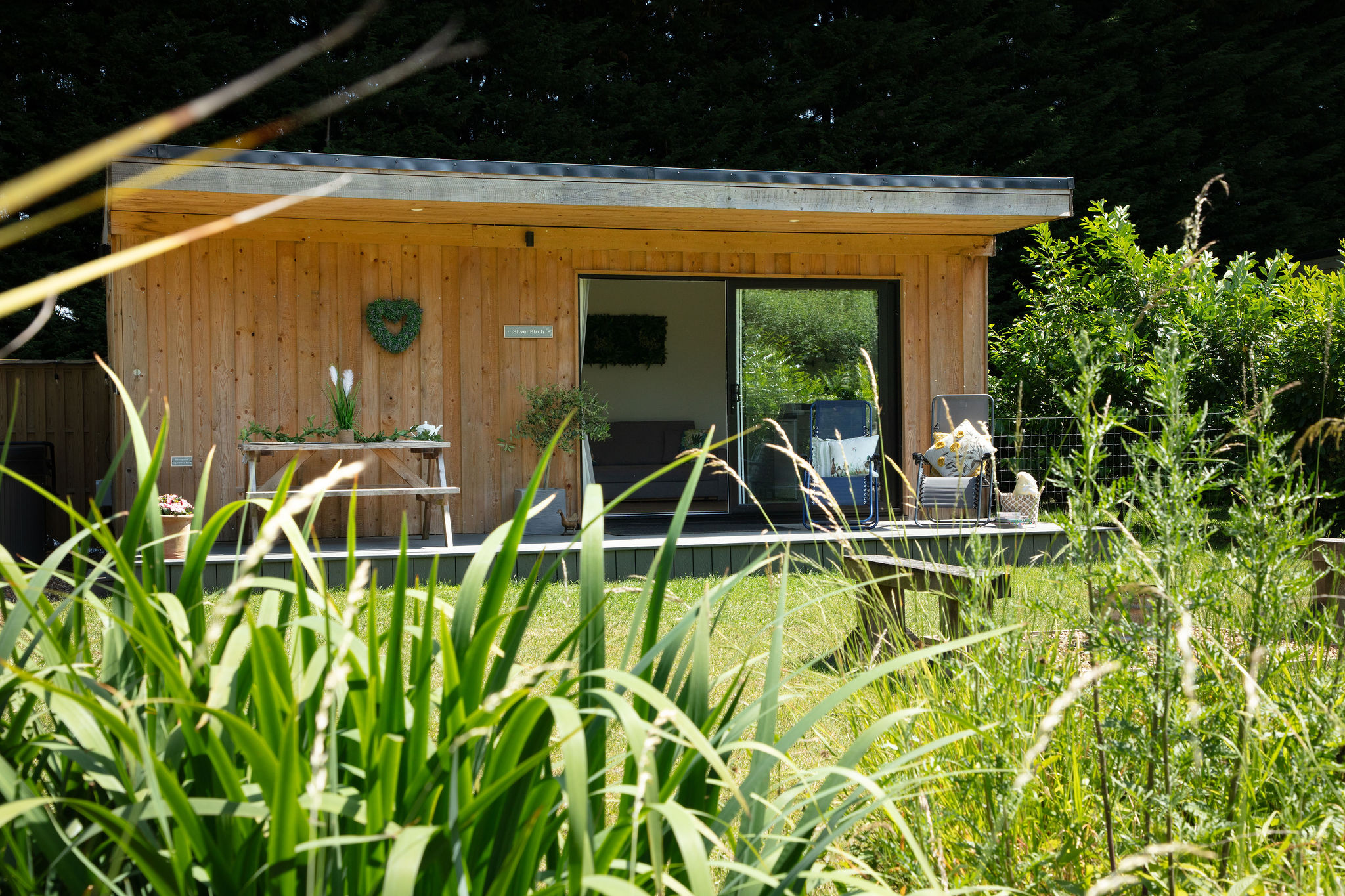
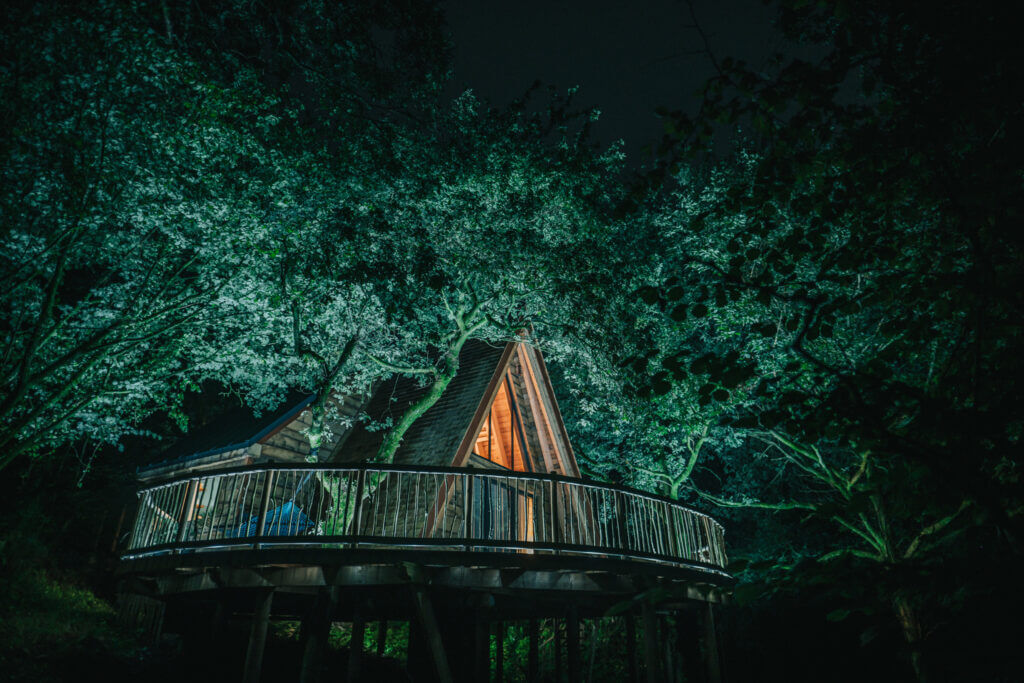
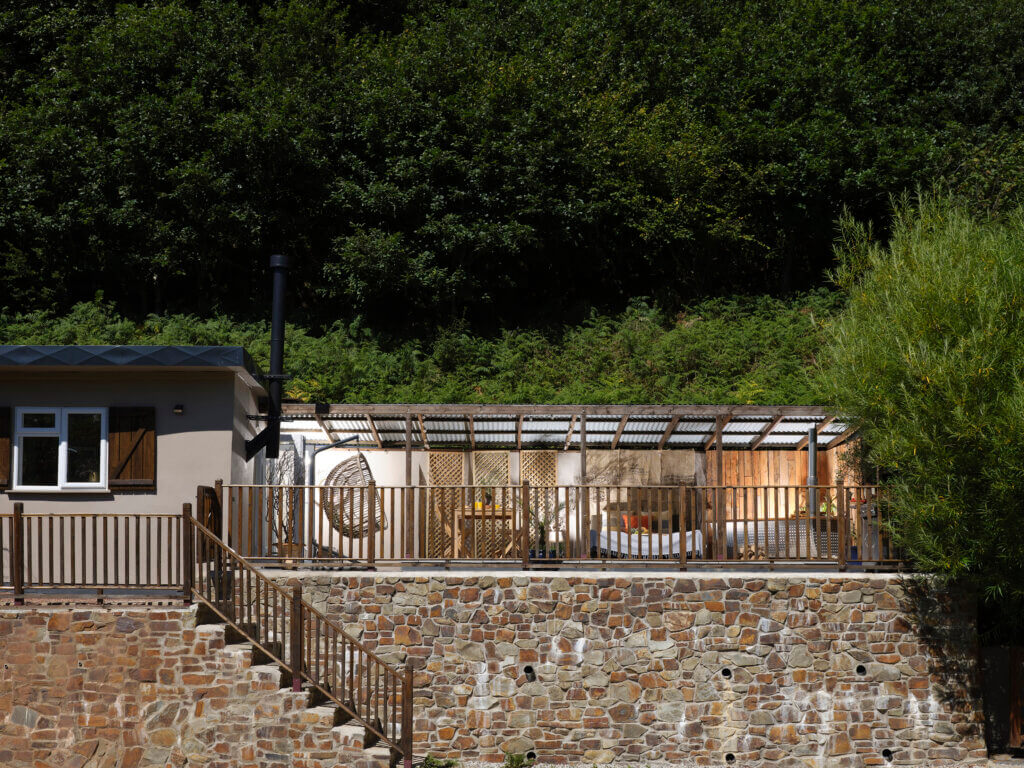
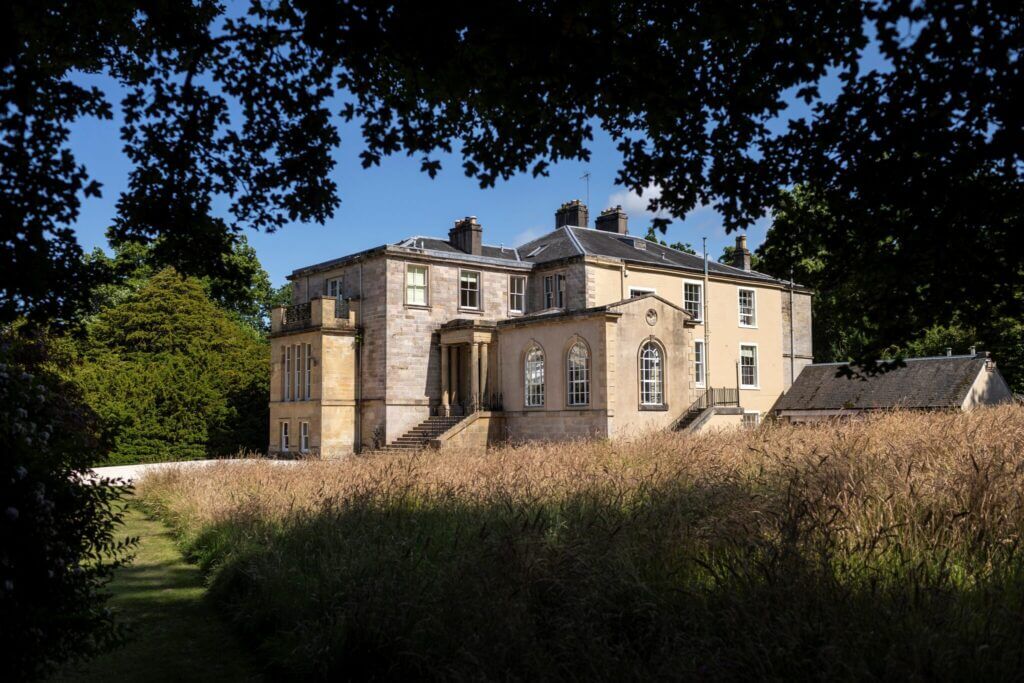
Stays that offer multiple cottages on one site, or large properties with clearly defined shared and private areas, tend to work more naturally. Guests can retreat to their own accommodation when they need downtime, then come back together for meals, celebrations or shared activities – without anyone feeling they’re opting out.
This type of layout is particularly well-suited to:
- Extended family gatherings
- Milestone birthdays and anniversaries
- Friendship groups with mixed ages or routines
- Reunions where not everyone knows each other equally well
Instead of managing logistics or negotiating space, groups can settle into the break more easily – focusing on time together that feels enjoyable rather than obligatory.
How to Plan a Group Getaway That Works for Everyone
The group getaways that run smoothly usually start with a bit of clarity upfront. Before sharing links or checking availability, it helps to align on a few basics as a group.
Start with the shape of the group
Who’s coming – and how they like to spend their time – will influence everything else. A gathering of close friends will have very different needs to a mix of families or multiple generations. Some groups prioritise outdoor space and flexible mealtimes, while others care more about social areas for long dinners and evenings together.
Be clear about how much time you’ll spend together
Not every group wants the same balance. Some prefer most of their time to be shared, others value independence just as much as group moments. Knowing this early helps you decide whether you’re better suited to:
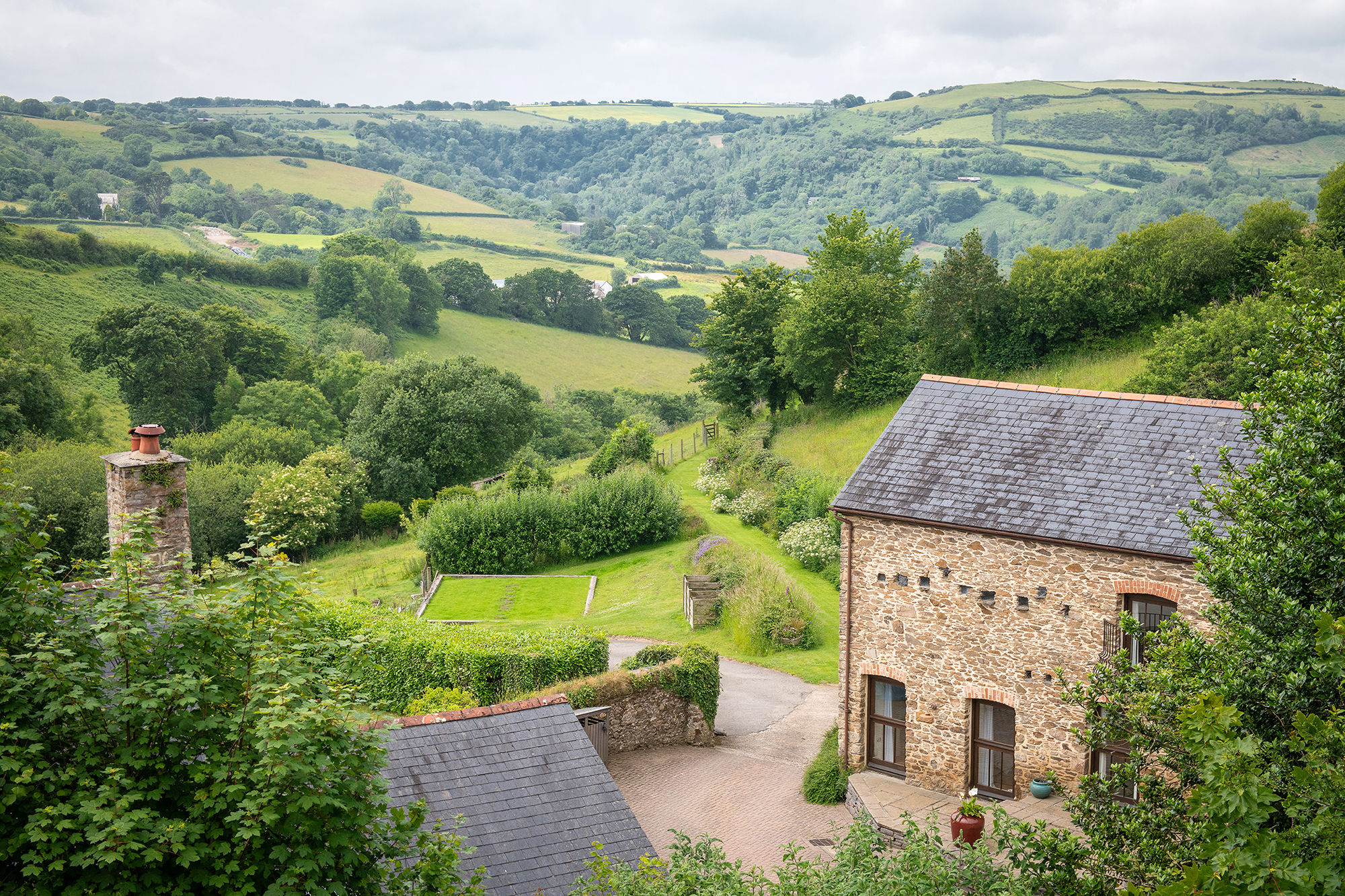
- Several cottages clustered together
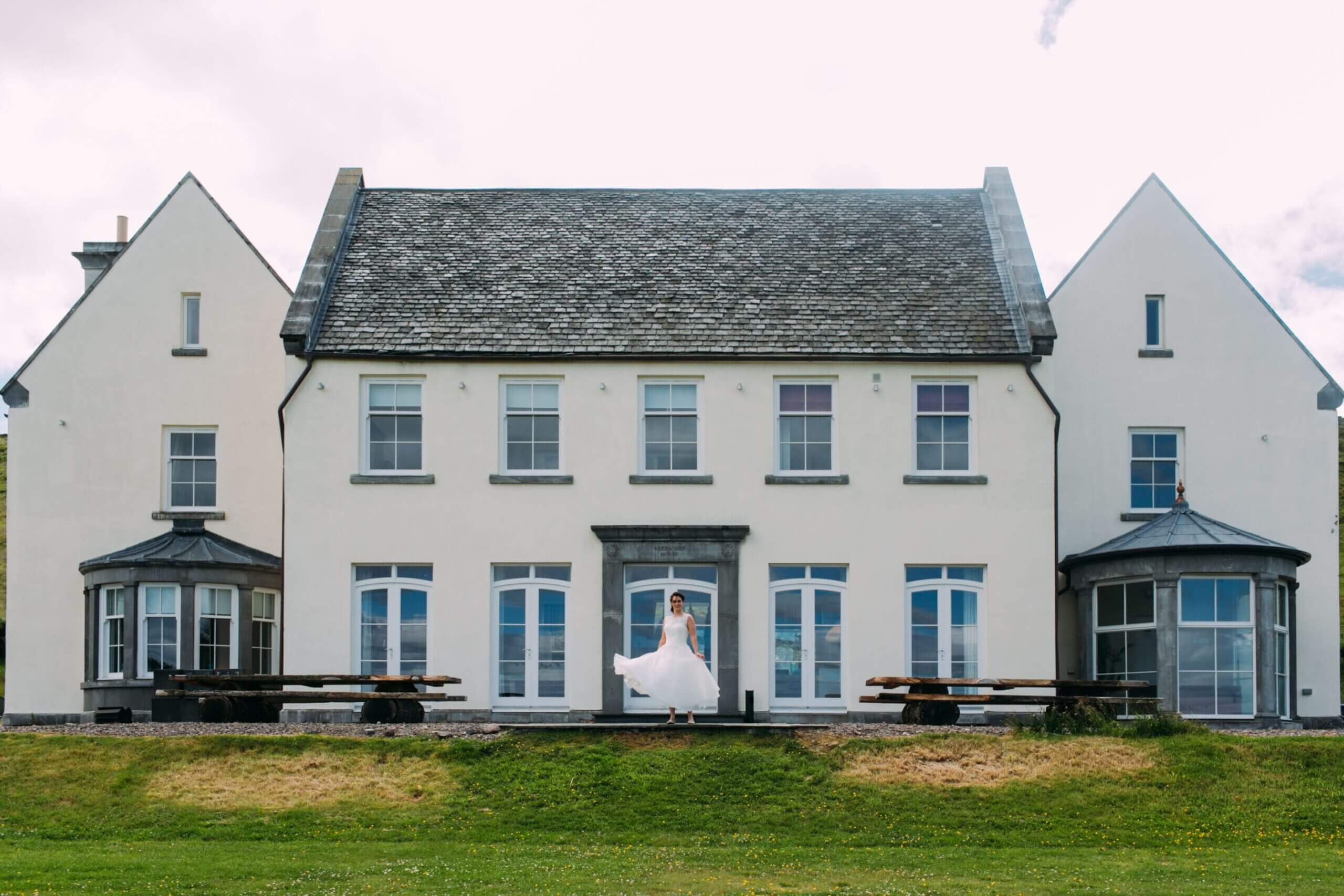
- A main house with self-contained wings
- A central shared area with separate accommodation nearby
Being honest about this avoids frustration later on.
Keep planning simple
Group trips tend to work best when one person coordinates the process. A shared message thread, a short shortlist of options and clear deadlines for feedback help keep momentum without endless discussion. Once the essentials are agreed, the rest usually falls into place.
What to Look for in Group-Friendly Stays with Separate Spaces
Once you’ve agreed how your group wants to spend time together, choosing the right type of accommodation becomes much clearer. The most successful group stays tend to share a few common features that make life easier for everyone.
Communal areas that feel natural to gather in
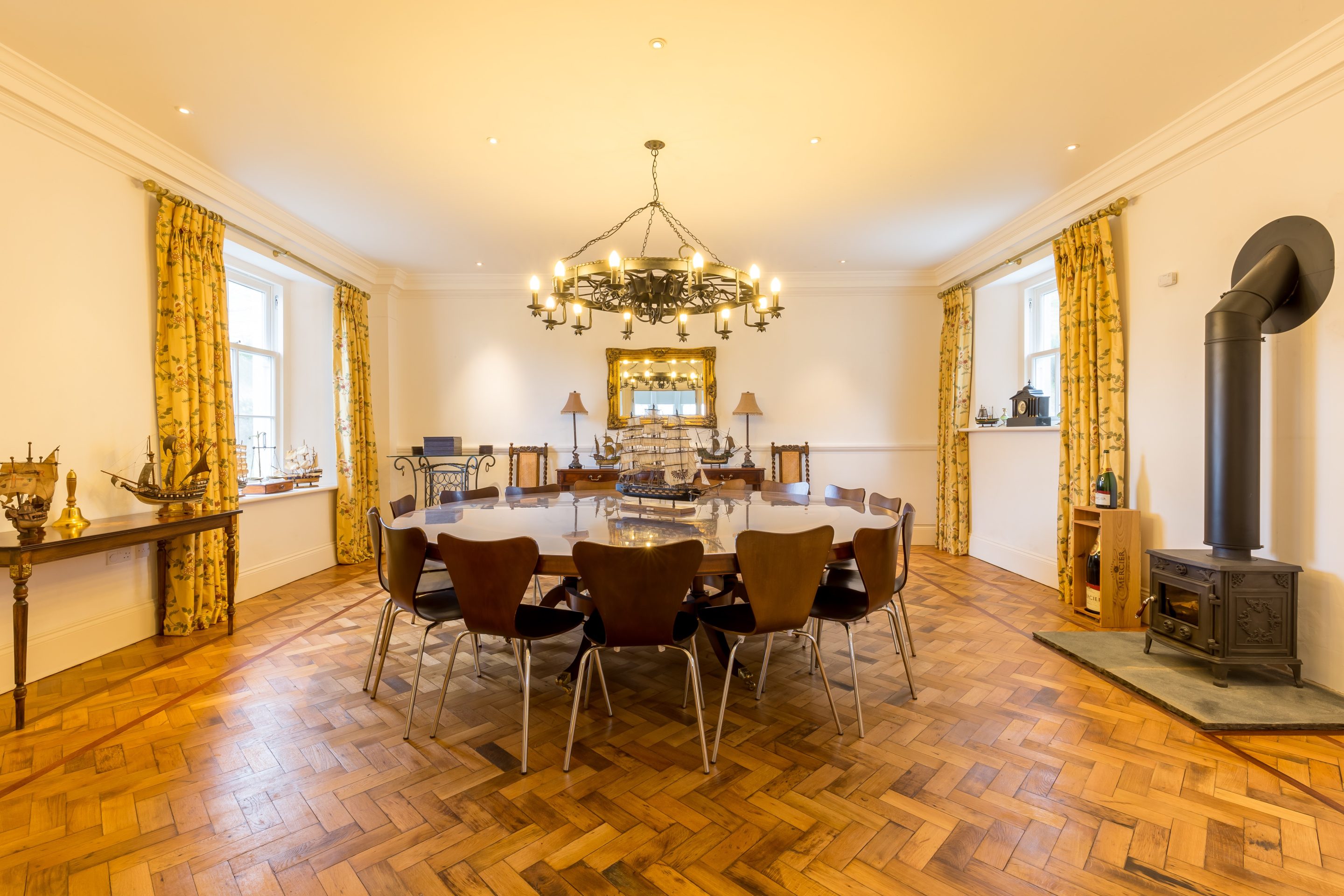
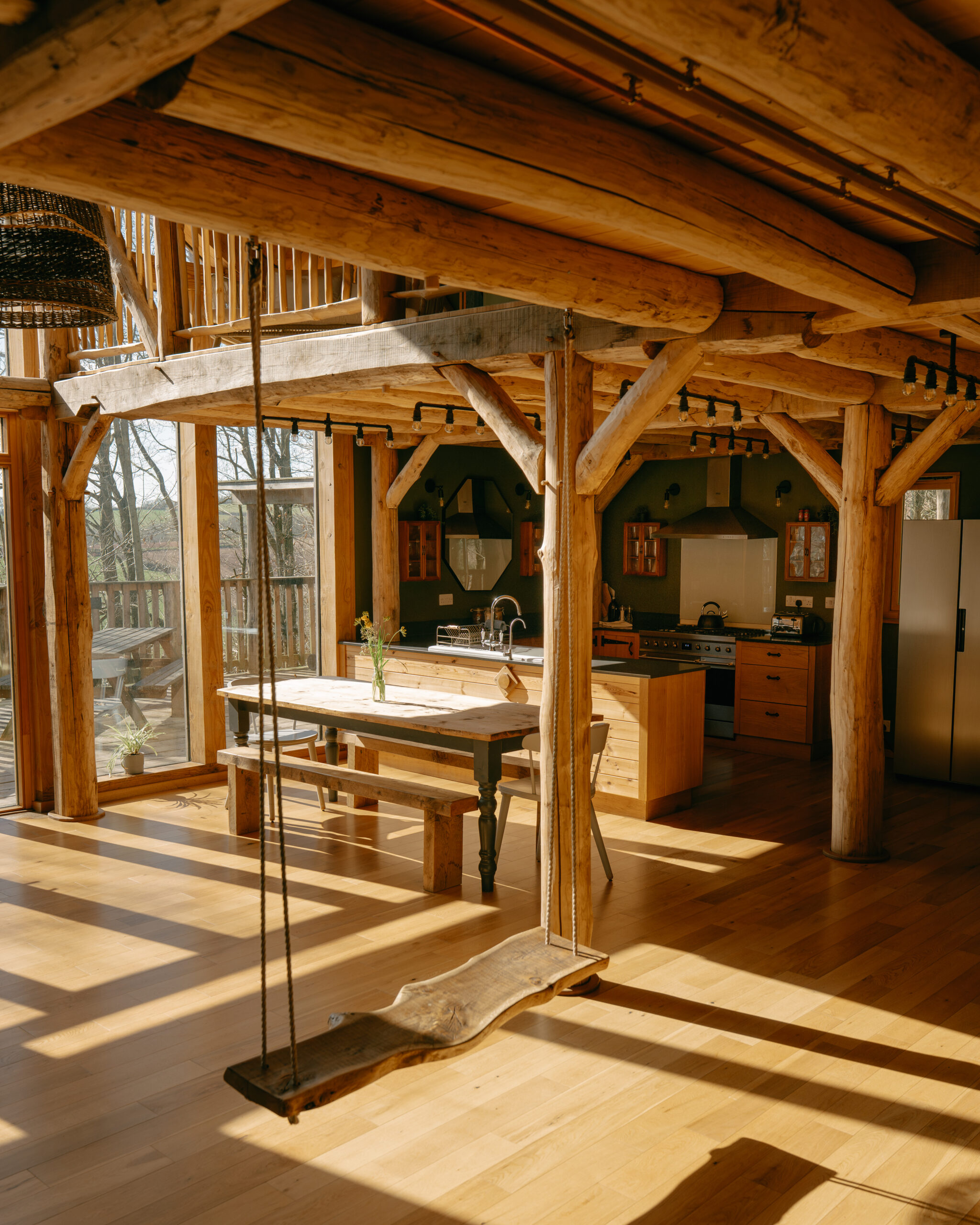
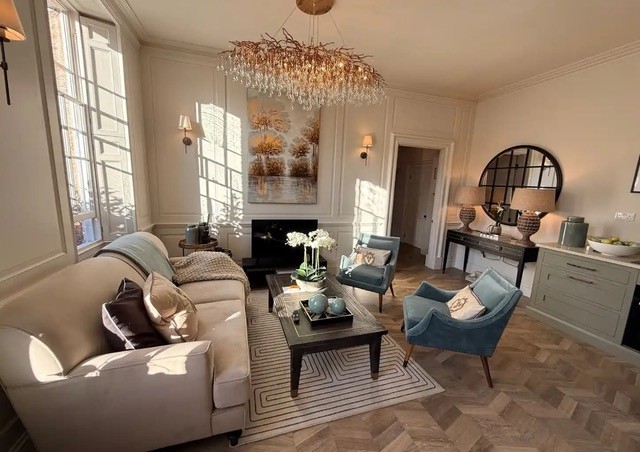
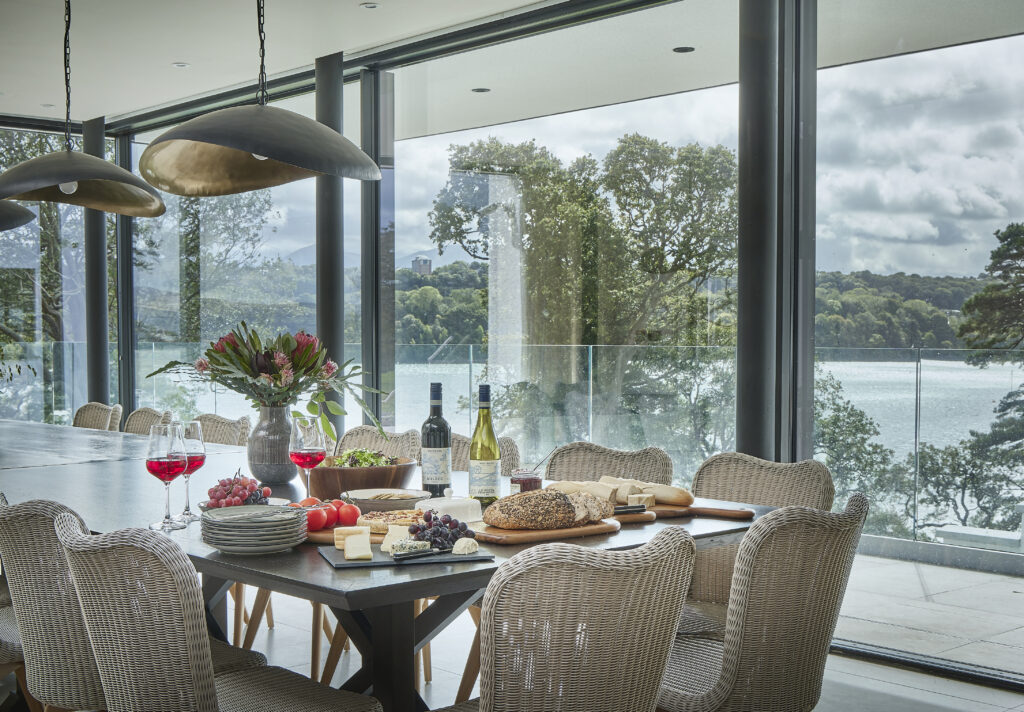
Shared areas matter more than extra bedrooms. A large dining table, a comfortable living space or an outdoor area where everyone can come together without feeling crowded often becomes the heart of the stay. Look for layouts that encourage people to gather naturally rather than spaces that feel formal or divided.
Private areas that allow guests to reset
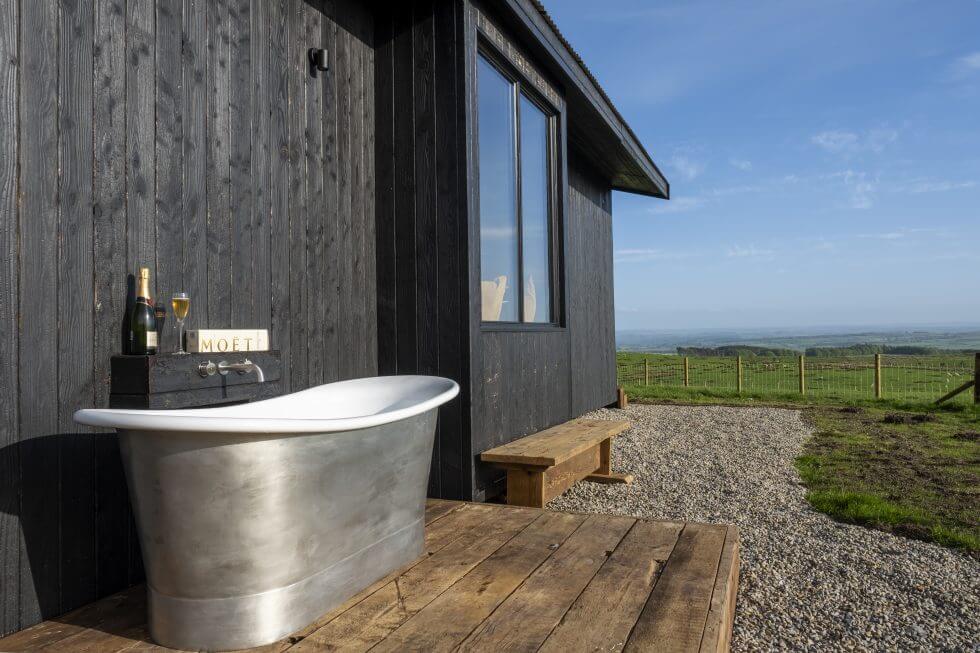
Equally important is the ability to step away. Separate cottages, rooms or cabins give guests the option to recharge without feeling antisocial. This can be especially valuable on longer stays or when travelling with mixed ages and energy levels.
Shared facilities that feel optional, not forced
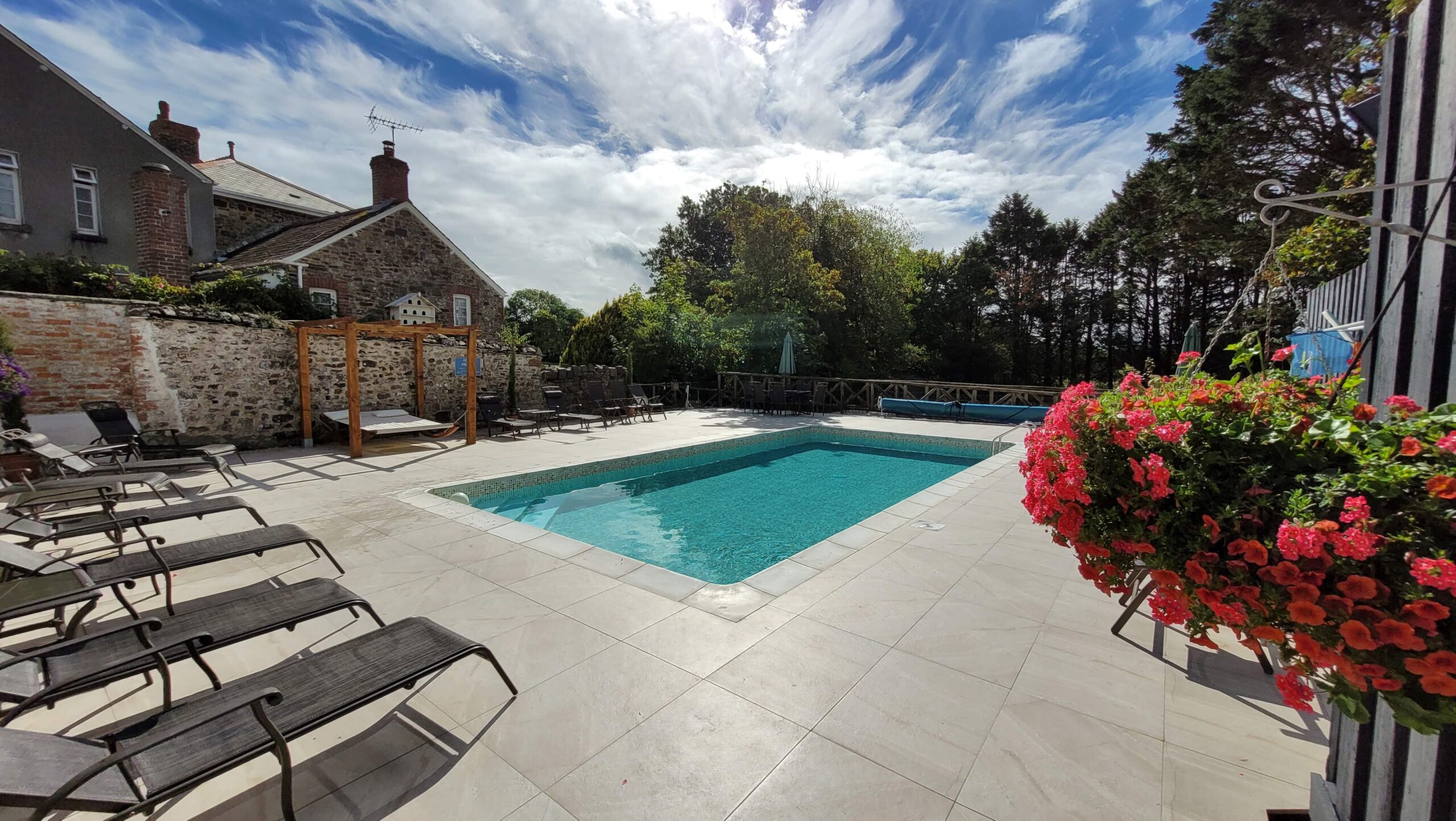
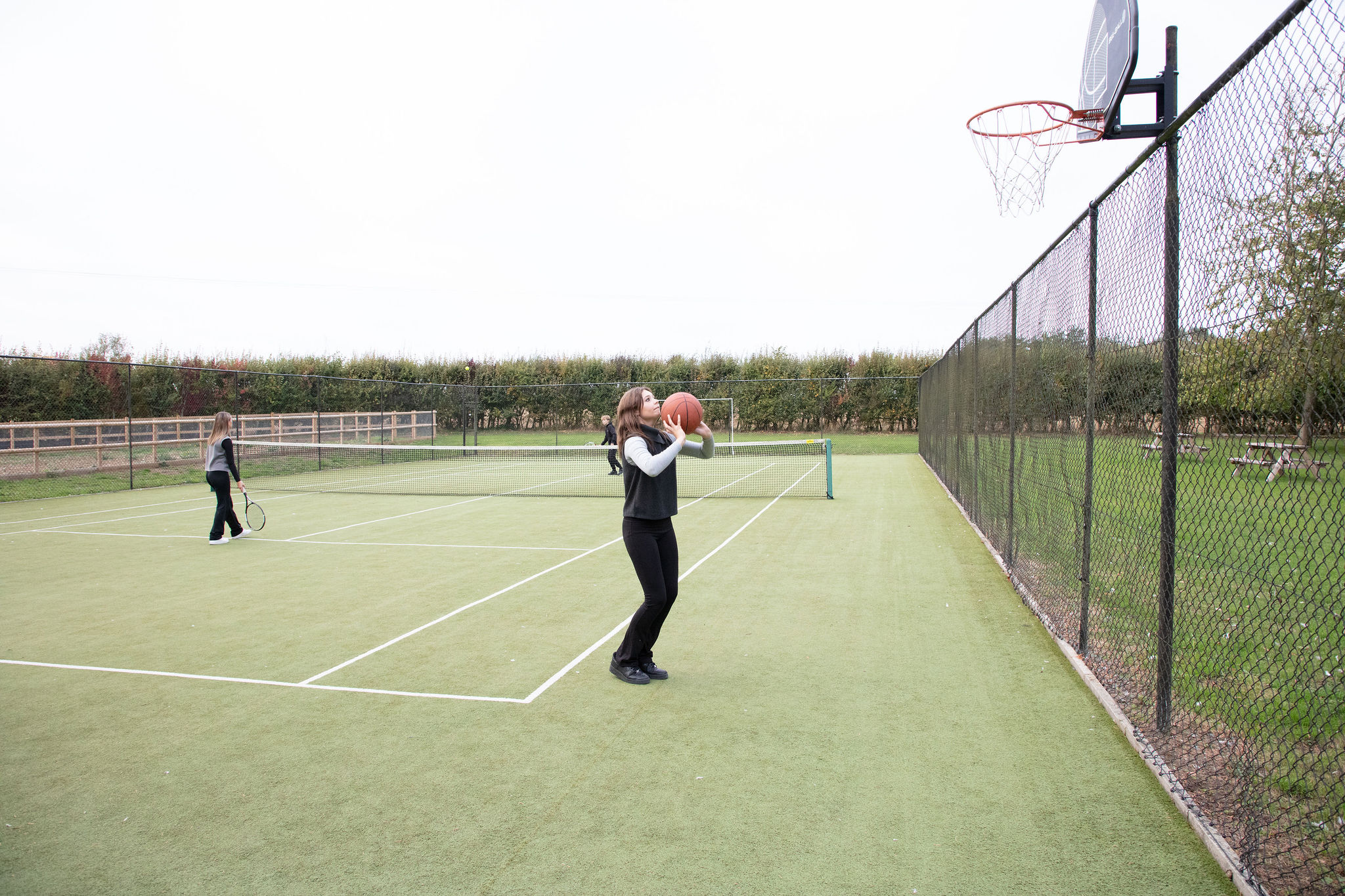
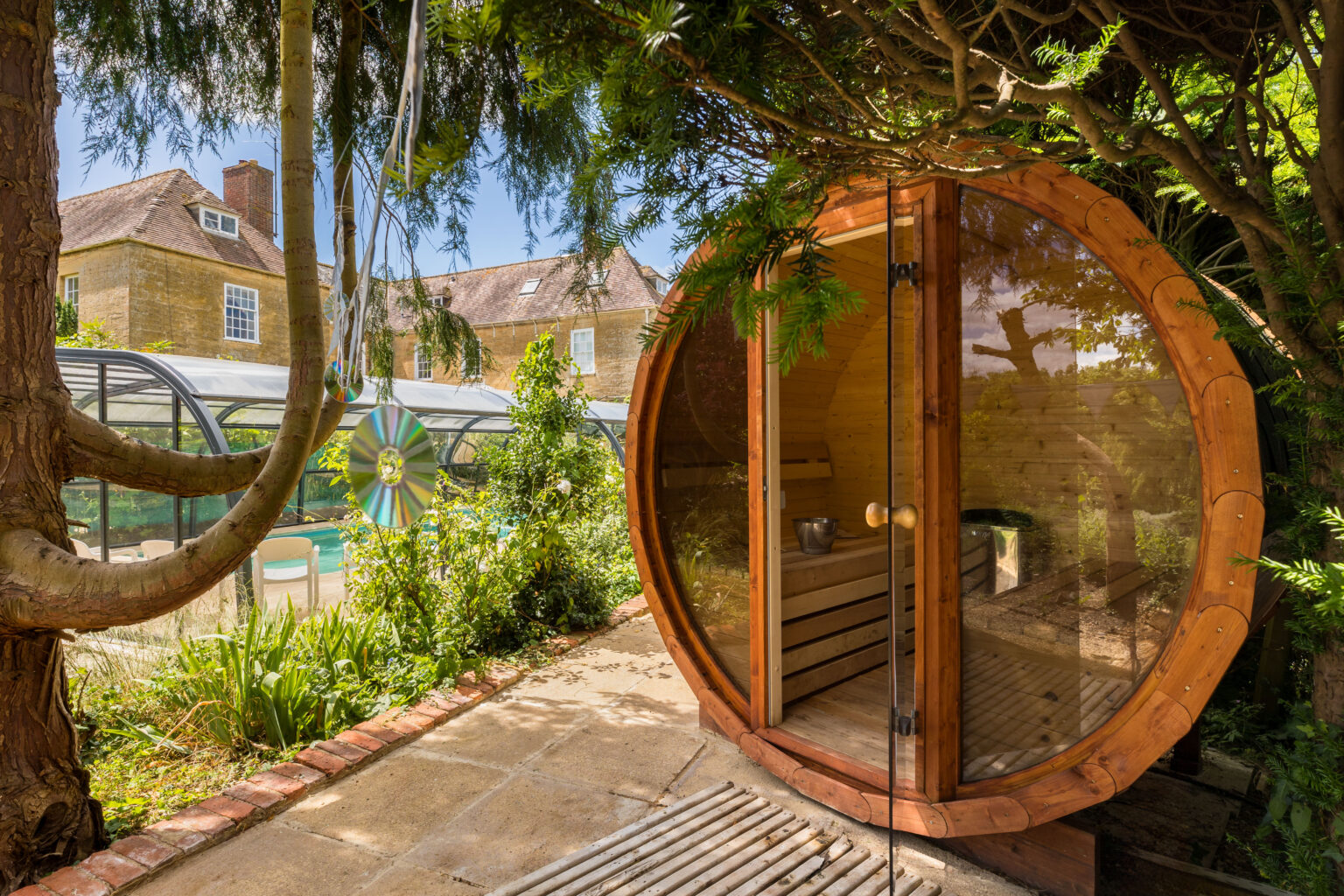
Facilities such as pools, games rooms or tennis courts work best when they’re there to be enjoyed casually. The strongest group retreats offer activities people can dip in and out of, rather than activities that demand everyone participate at the same time.
Outdoor areas for easy gathering
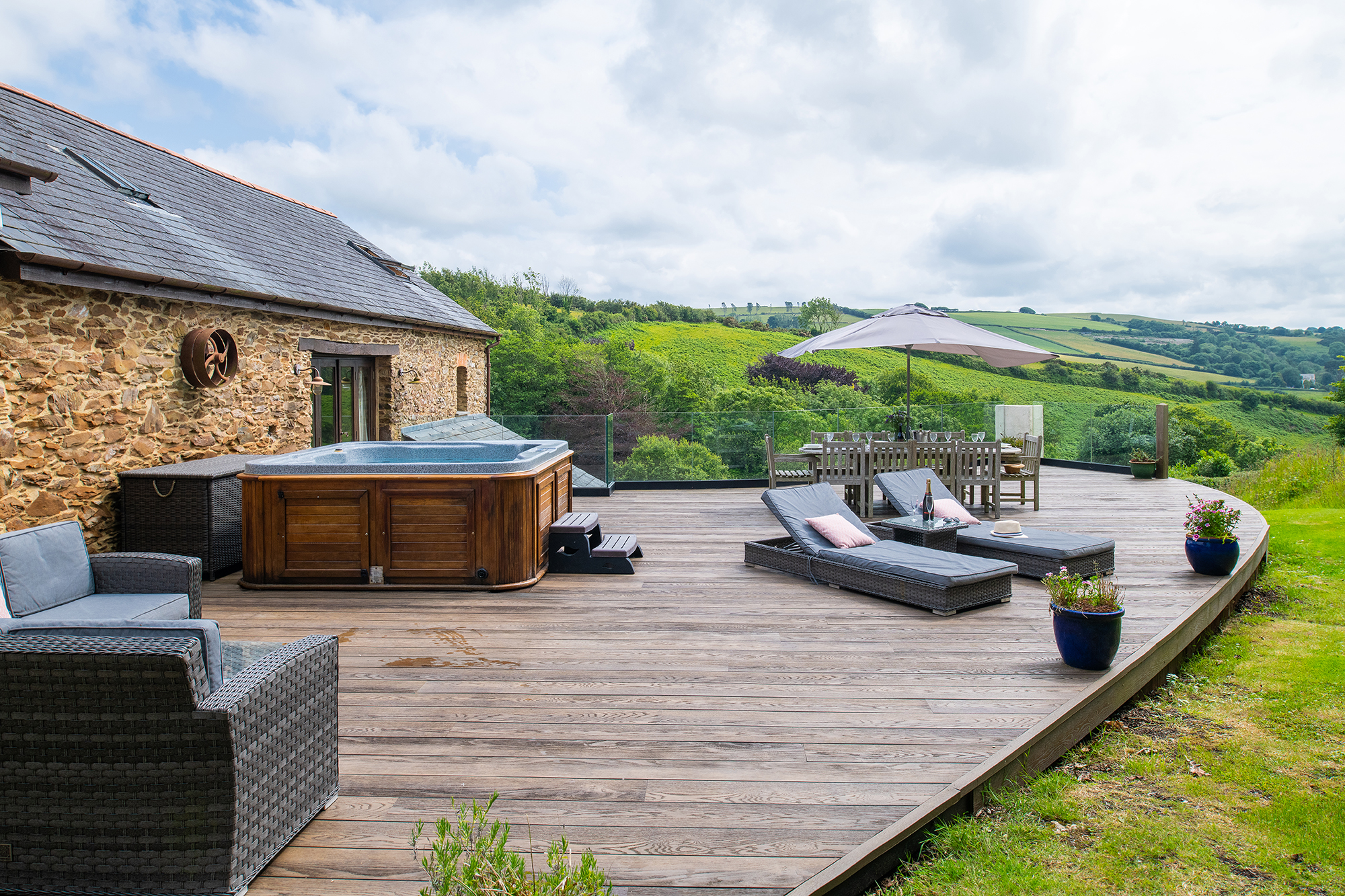
Gardens, courtyards and terraces often become central to group stays, particularly in warmer months. They provide room for children to play, adults to talk and the group to spread out without feeling confined indoors.
Choosing the Right Location for a Group Break
Location plays a bigger role in group getaways than it does for smaller trips. The right setting can simplify logistics, set the pace of the stay and make it easier for everyone to settle into a shared rhythm.
Rural and countryside settings
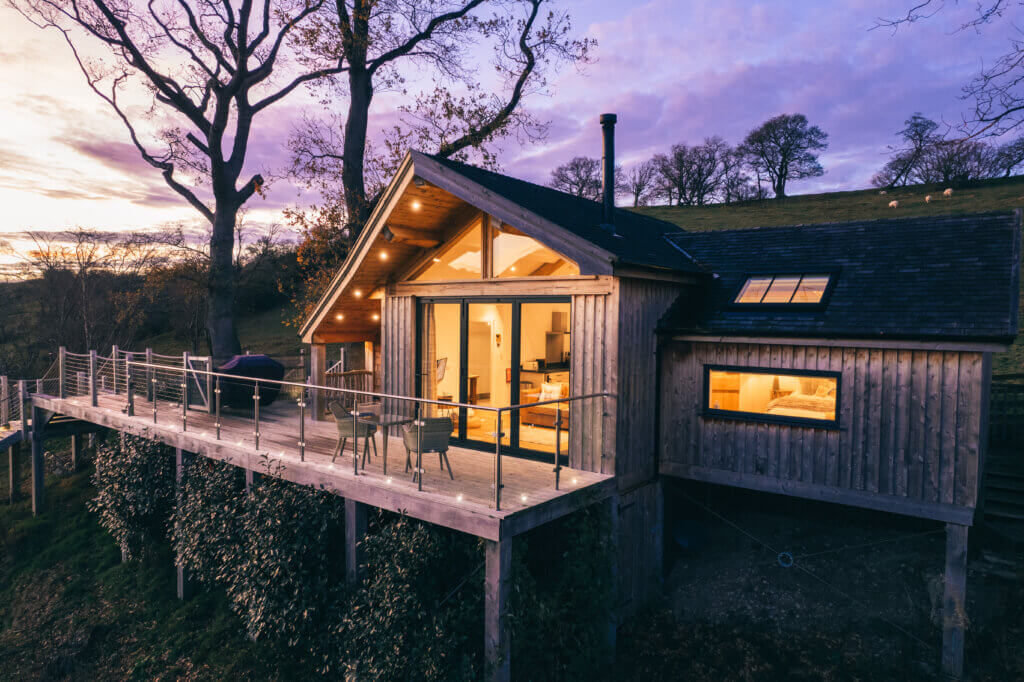
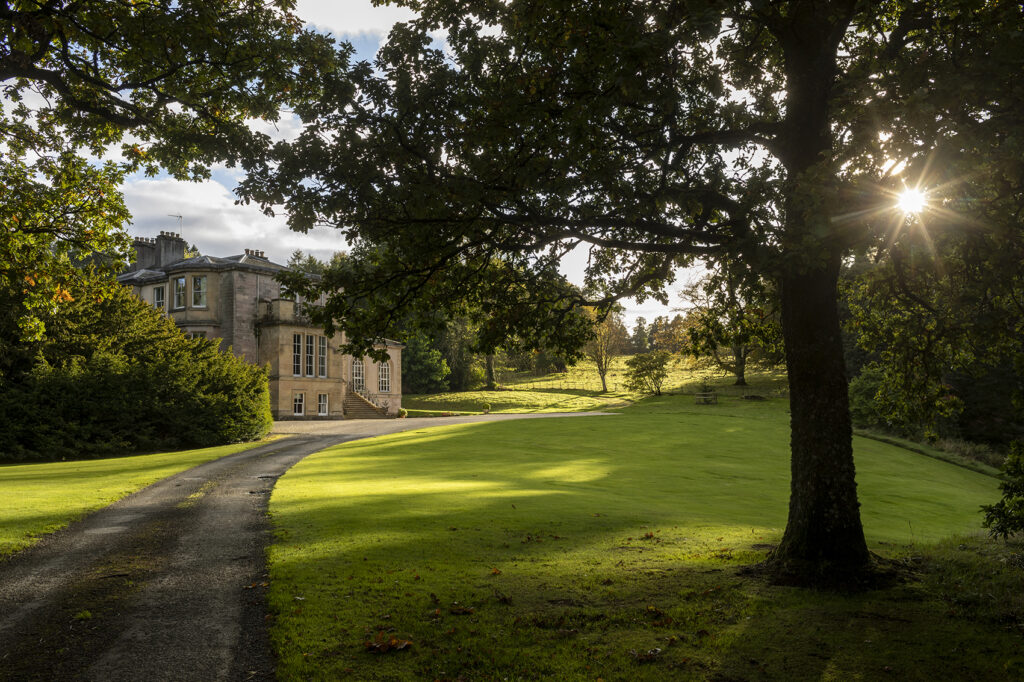
Countryside settings tend to work well for larger groups and longer stays. Privacy, freedom to roam and access to walking routes make it easier for people to spread out, come together naturally and avoid the feeling of being on display. These locations suit groups who want to slow down, spend time outdoors and keep plans flexible.
Coastal stays
Coastal locations can work beautifully for group breaks, particularly when there’s enough freedom to move between shared time and downtime. Beaches, coastal paths and sea air give the group a natural focal point, without the need for tightly planned activities. For mixed groups, the coast often offers something for everyone – long walks, swimming, quiet corners and simple days built around the tide rather than a schedule.
It’s worth being mindful of seasonality, especially if dogs are part of the group, as some beaches have restrictions at certain times of year.
Accessibility over perfection
For group getaways, accessibility often matters just as much as location. When guests are travelling from different parts of the UK – or arriving at different times – choosing somewhere that’s easy to reach can remove a lot of unnecessary stress from the start.
It’s also worth thinking about accessibility within the accommodation itself, particularly for multi-generational groups or guests with additional needs. Step-free access, ground-floor bedrooms, wider doorways or en-suite bathrooms can make a stay far more comfortable without changing the overall feel of the retreat.
Properties that are designed with accessibility in mind tend to suit groups better overall. They allow everyone to move at their own pace, reduce reliance on stairs or tight layouts, and help the whole group relax into the break rather than working around limitations.
Group Stays with Places to Stay, Play and Unwind
If you’re exploring group getaway ideas because a single large house doesn’t quite fit, it helps to see what alternatives look like in practice.
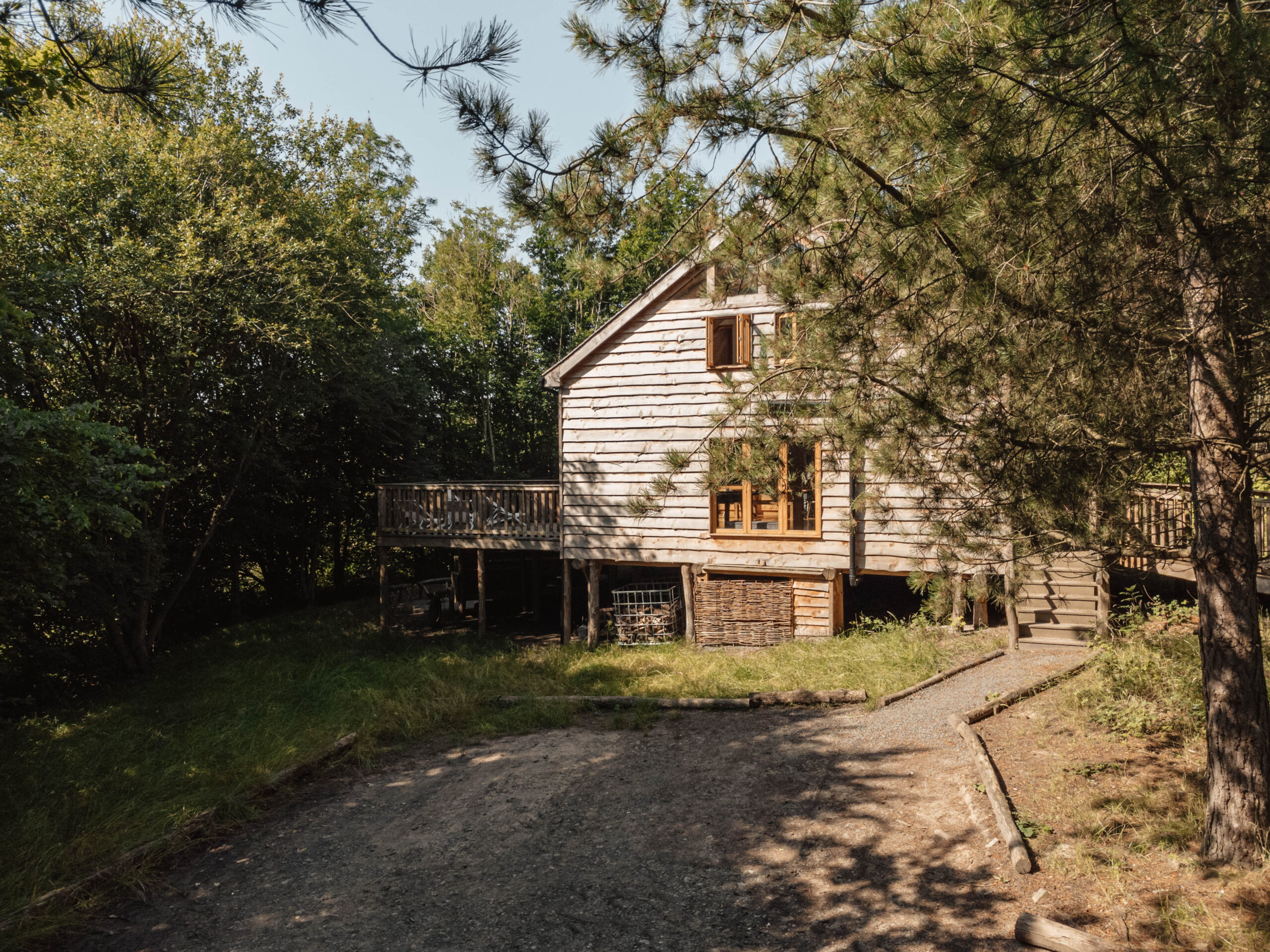
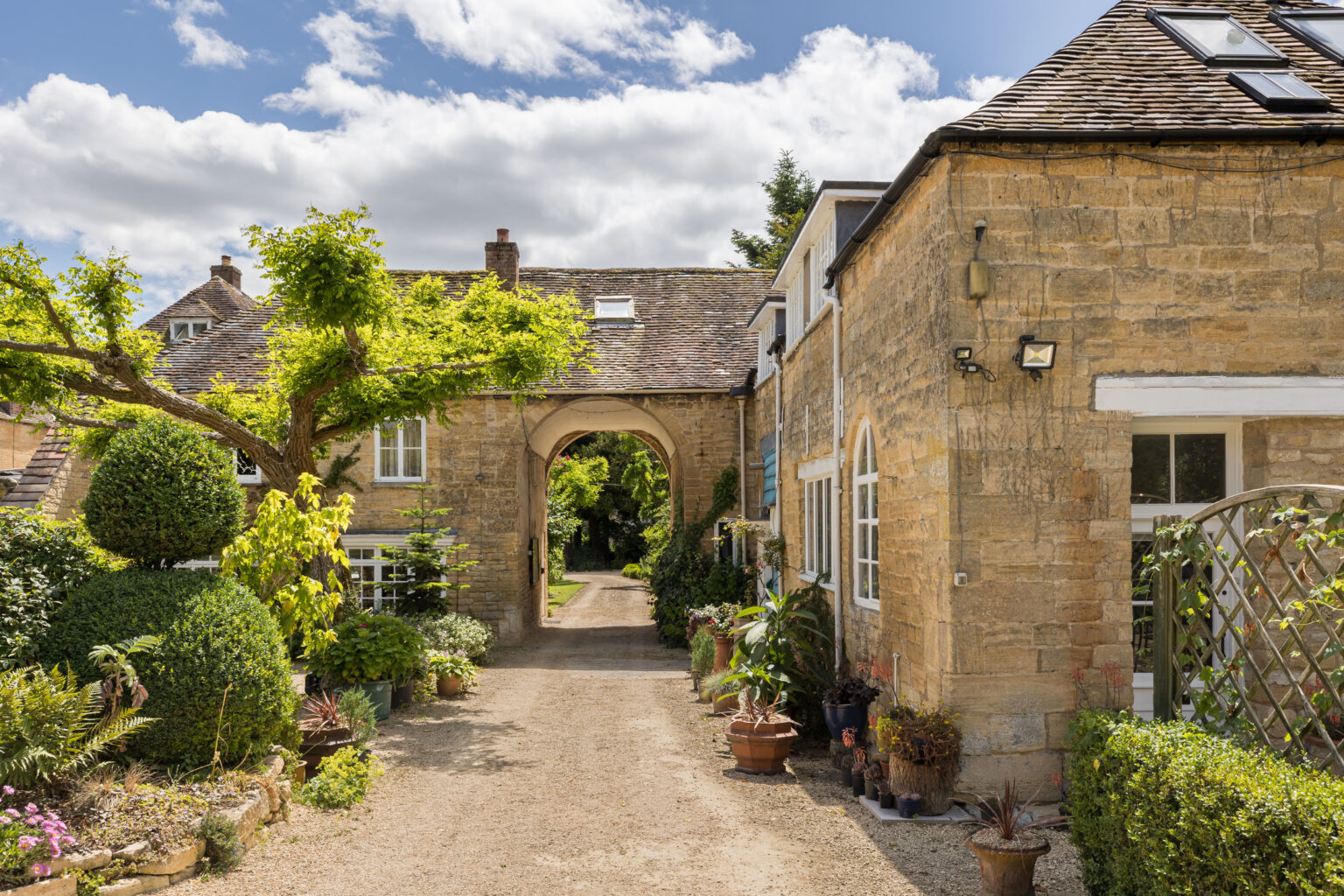
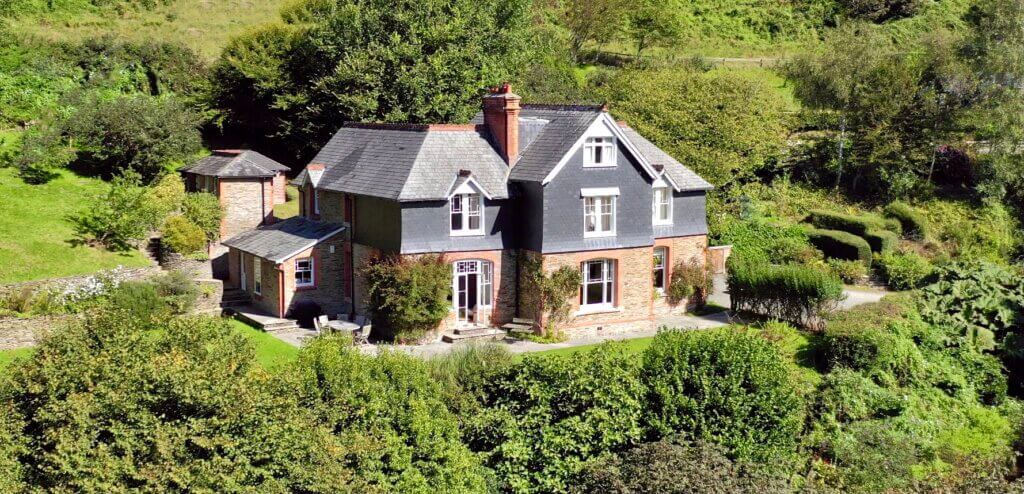
The retreats below show different ways groups can stay together without sharing every space – from clusters of cottages and converted barns to estates designed with multiple living areas or self-contained units. Each offers a different balance of privacy and shared areas, suited to different group sizes, occasions and travel styles.
These examples aren’t intended as a full directory, but as inspiration for how group stays can be structured when flexibility matters as much as time together.