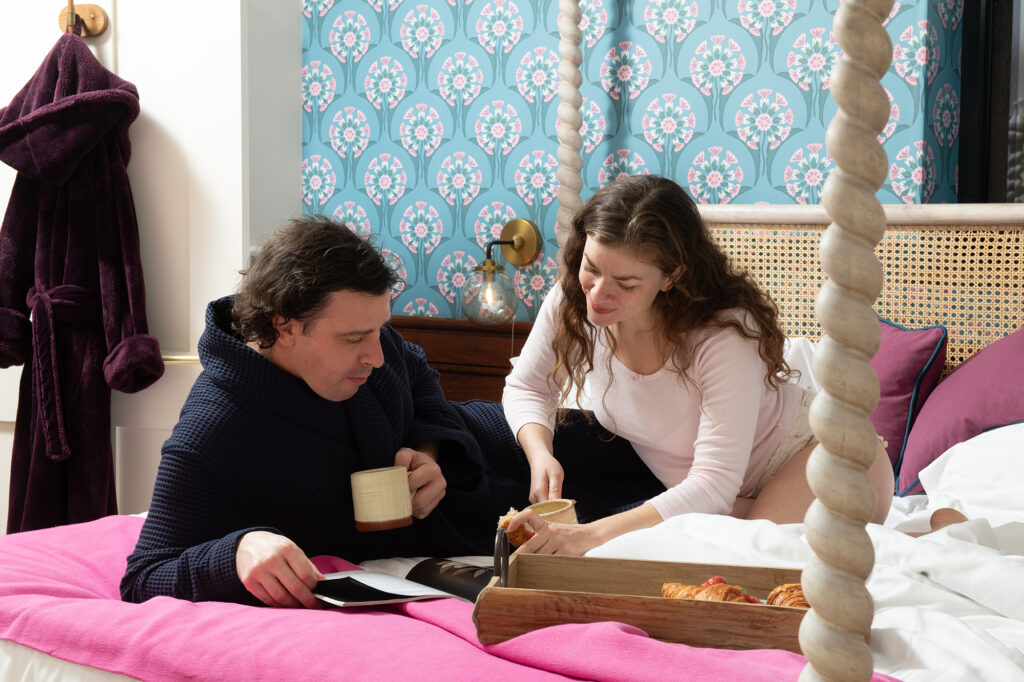
Why Cabins Help You Switch Off Better Than a Hotel Break

There’s a particular kind of tiredness that follows you on holiday. You’ve packed, you’ve travelled, you’ve checked in — and somehow you’re still checking your phone in the lobby, still half-waiting for a lift, still surrounded by the low hum of other people’s conversations through the wall. A change of scenery doesn’t always mean a change of pace.

Most of us book a break hoping it will feel different from home. We picture slower mornings, quieter evenings, a proper rest. And yet a standard hotel room, however comfortable, rarely delivers that shift. It’s designed for convenience and efficiency, not stillness. 

A cabin works on different terms entirely. There’s no reception desk between you and your room, no corridor of identical doors, no schedule dictating when breakfast starts and stops. It sounds like a small difference on paper. In practice, it tends to be the difference between a holiday that looks restful in the photos and one that actually is.

The Trouble With Switching Off in a Hotel

Hotels are built around structure. Lift times, dining hours, shared corridors, a steady flow of other guests coming and going past your door. Even a very good hotel keeps you gently aware that you’re one of many people being looked after at once, and that awareness has a cost. It’s hard to fully unwind somewhere that still asks you to get dressed for breakfast at a set hour or lower your voice past a shared wall.

Most of us know this, even if we don’t say it out loud. A recent survey of British travellers reported by Globetrender found that 77% said the main reason they go on holiday in the first place is to switch off and restore their energy. Yet almost half admitted that a genuinely phone-free, unplugged break still feels a bit extreme. The intention to slow down is there. What’s often missing is a setting that actually makes it easy to follow through.

It isn’t only travel that makes this hard. Ofcom’s 2025 Online Nation report found that UK adults now spend an average of four and a half hours online every day, most of it on a smartphone. Those habits don’t switch off just because we’ve packed a suitcase — which is exactly why the environment we book matters. A space that quietly removes the everyday triggers tends to succeed where good intentions alone rarely do.

A Cabin Changes the Rhythm of the Day

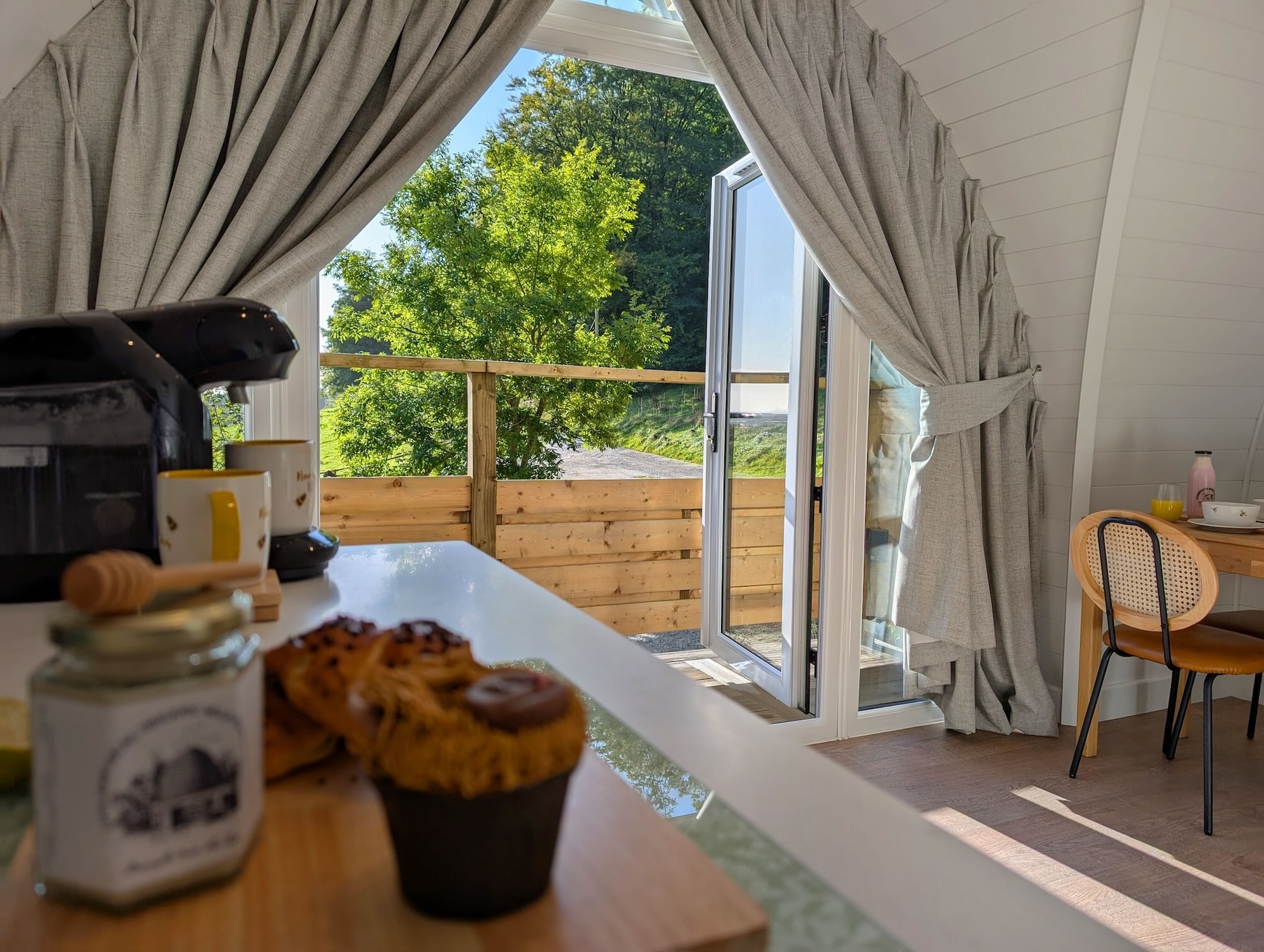
Step into a cabin and the whole structure of the day loosens. There’s no set breakfast sitting, so you eat when you’re hungry, in your own kitchen, in whatever you slept in. There’s no shared lounge to dress for, so evenings can be spent exactly as they are, no performance required. You come and go through your own front door, at your own pace, without walking past anyone else’s.

That sense of ownership over your time is easy to underestimate until you have it. Couples find they talk more when there’s no dining room clock to watch. Families find mealtimes become something to enjoy rather than manage. Even small decisions, like whether to have a lazy morning or an early start, belong entirely to you rather than to a hotel’s timetable. It’s less about luxury in the traditional sense and more about the freedom to simply exist at your own speed for a few days.

Nature Does More of the Work

Part of what makes this shift so effective is what usually surrounds a cabin. Rather than car parks and reception areas, you’re typically looking out at woodland, hillside or open countryside — somewhere the pace of the outside world genuinely feels a step removed.

There’s good reason this matters beyond simple preference. Research from the UK’s Mental Health Foundation has found that 70% of UK adults agree that being close to nature improves their mood, and around half say it helps them cope with stress. Waking up to birdsong instead of a corridor trolley, or watching light move across trees rather than a car park, does a measurable amount of the relaxing for you. A cabin doesn’t just remove the noise of hotel life; it replaces it with something that is quietly, reliably restorative.

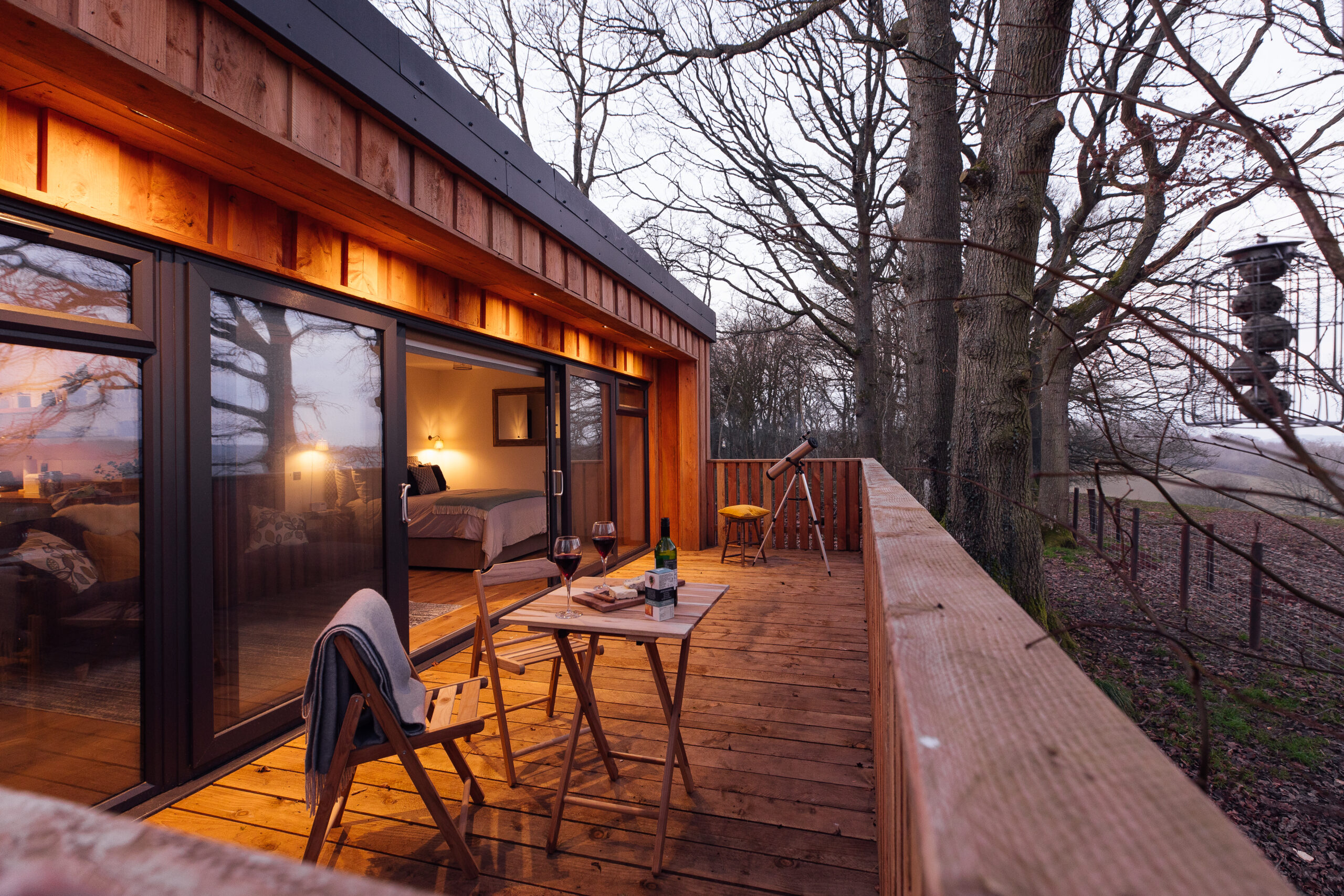
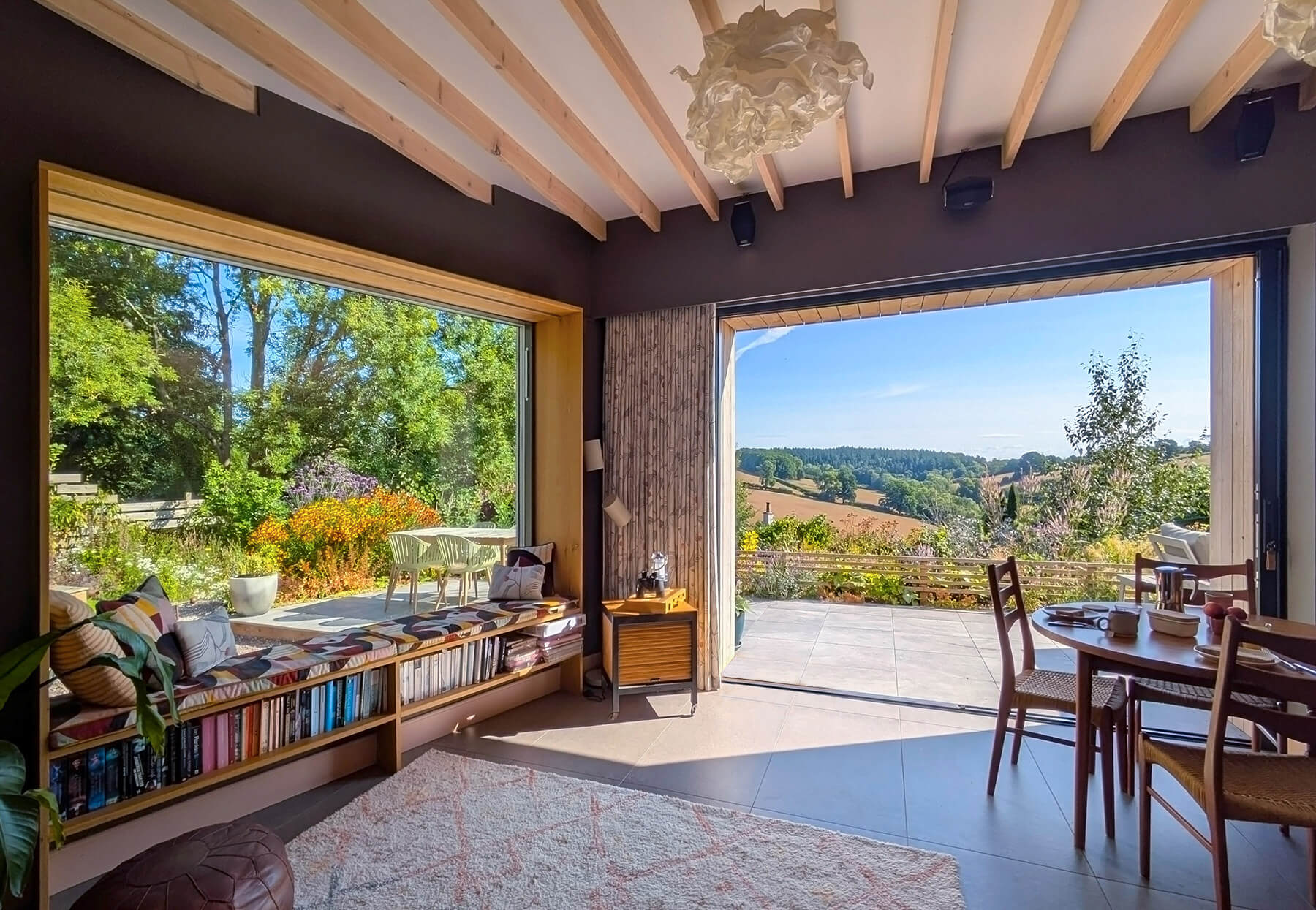
Add in a log burner crackling through the evening, or a window seat looking straight out at the trees, and the setting stops being a backdrop. It becomes part of why the break works.

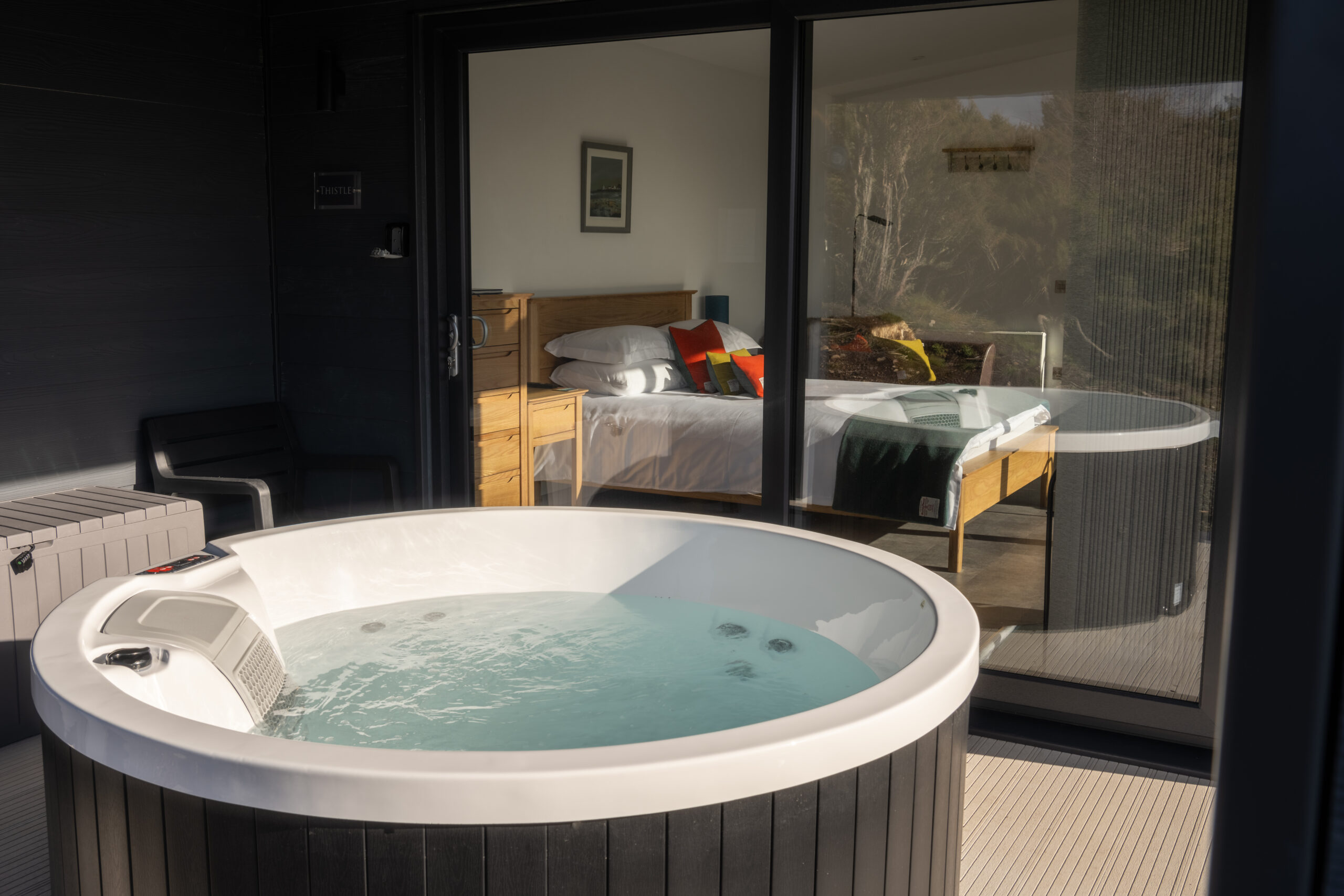
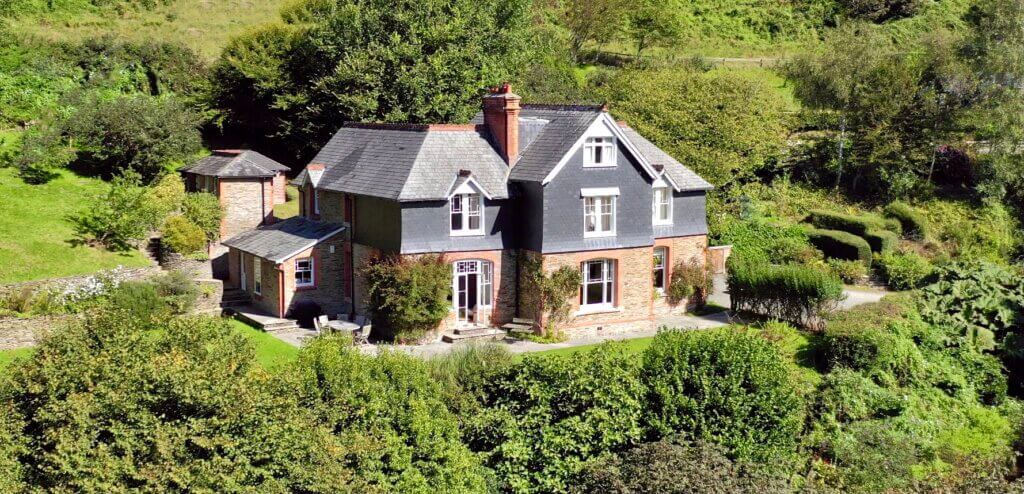
Migdale Heights in Highland | Primary Collection | Boutique Luxury Retreats
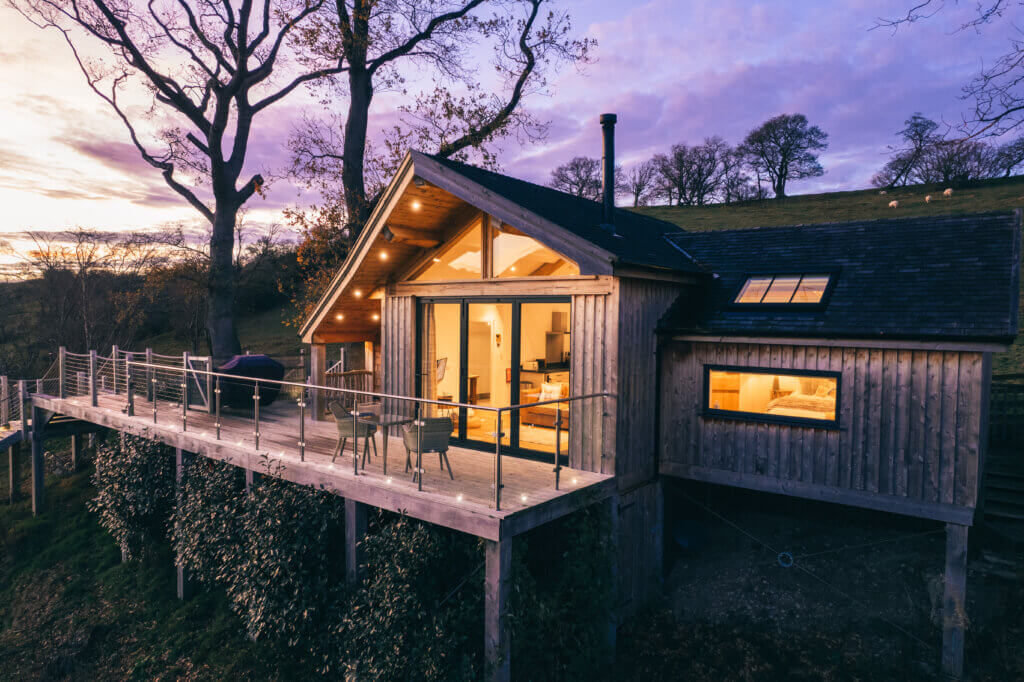
Kerry's Gate Cabin

Small Details That Make The Difference

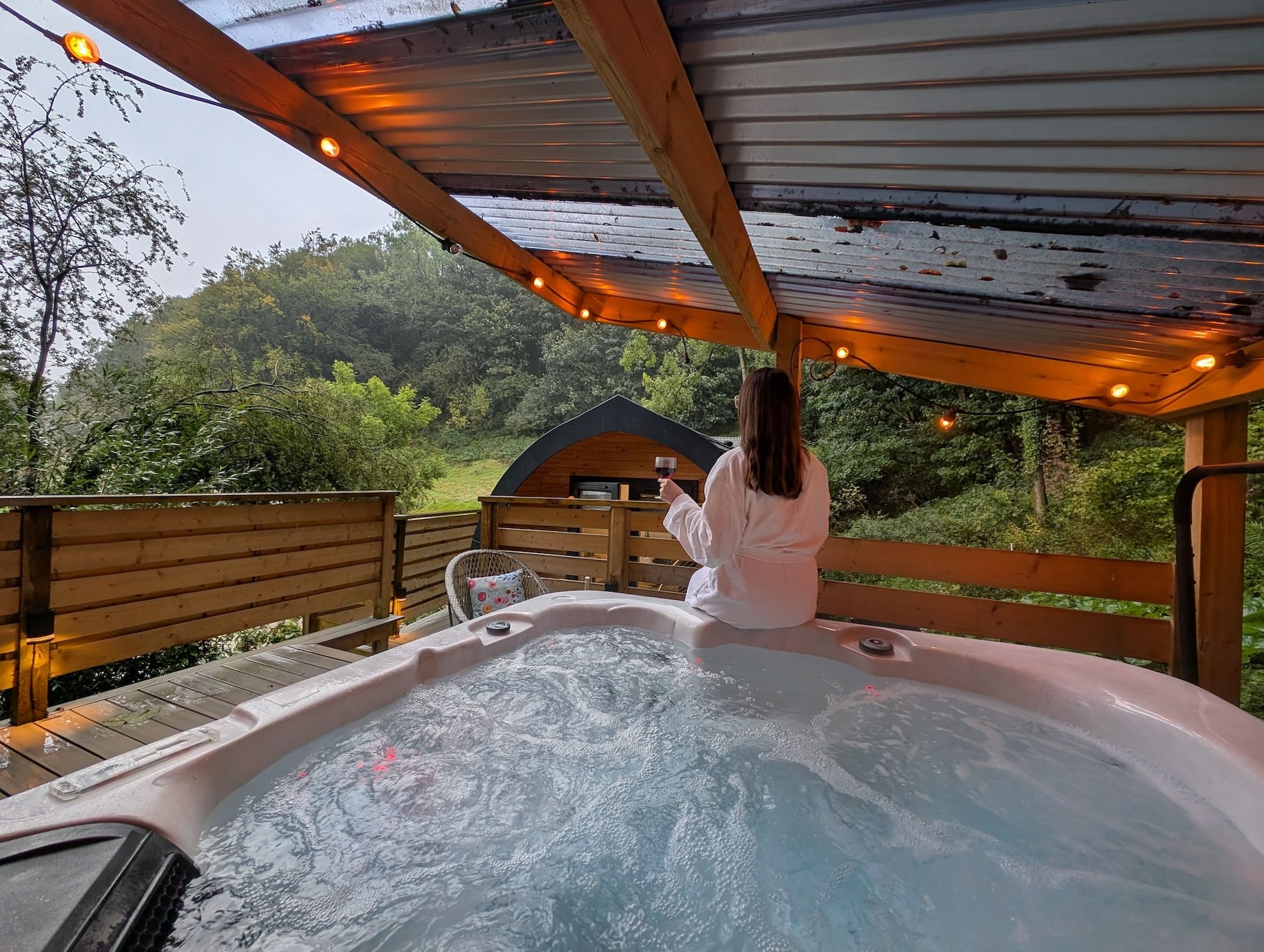
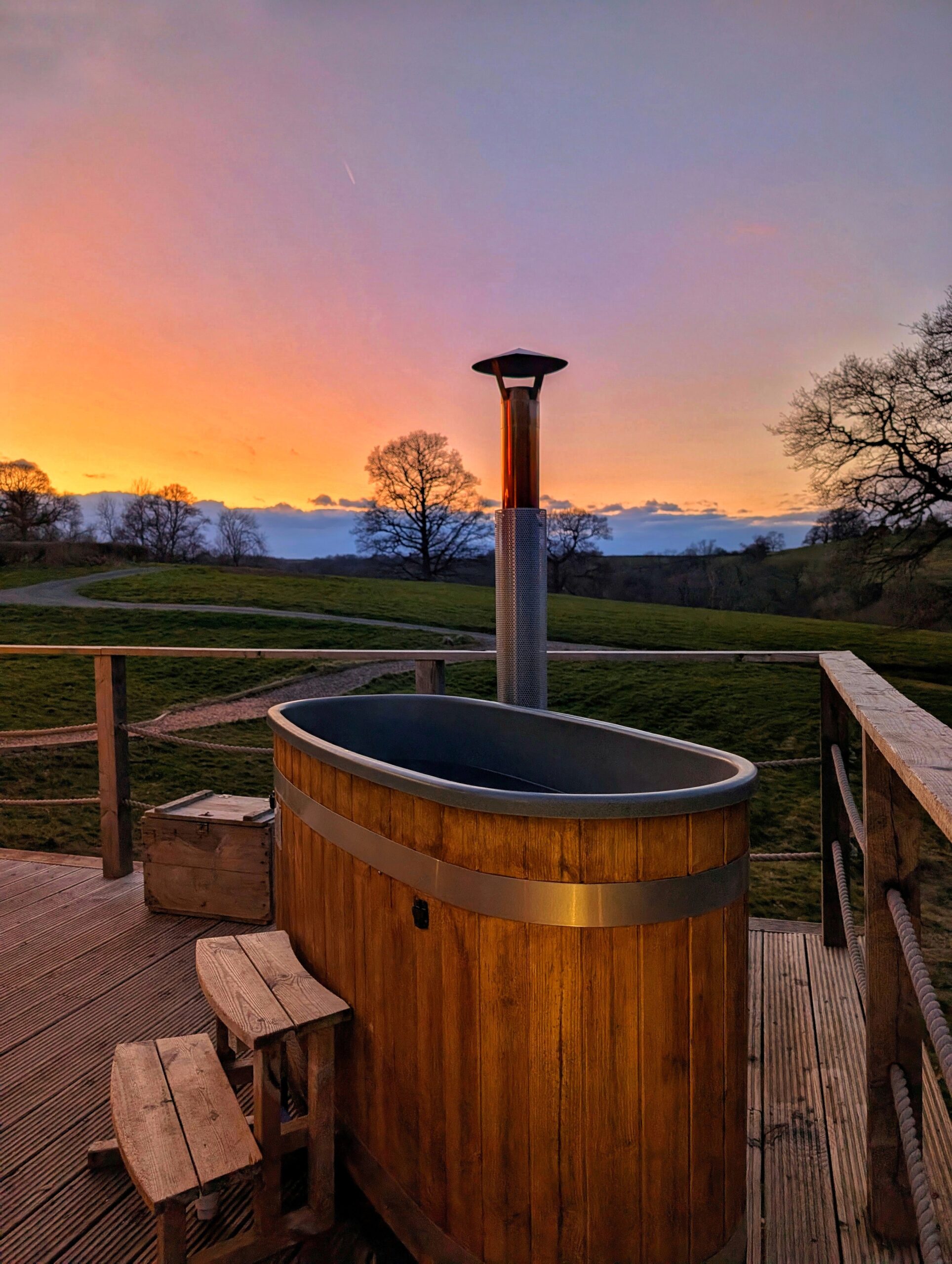
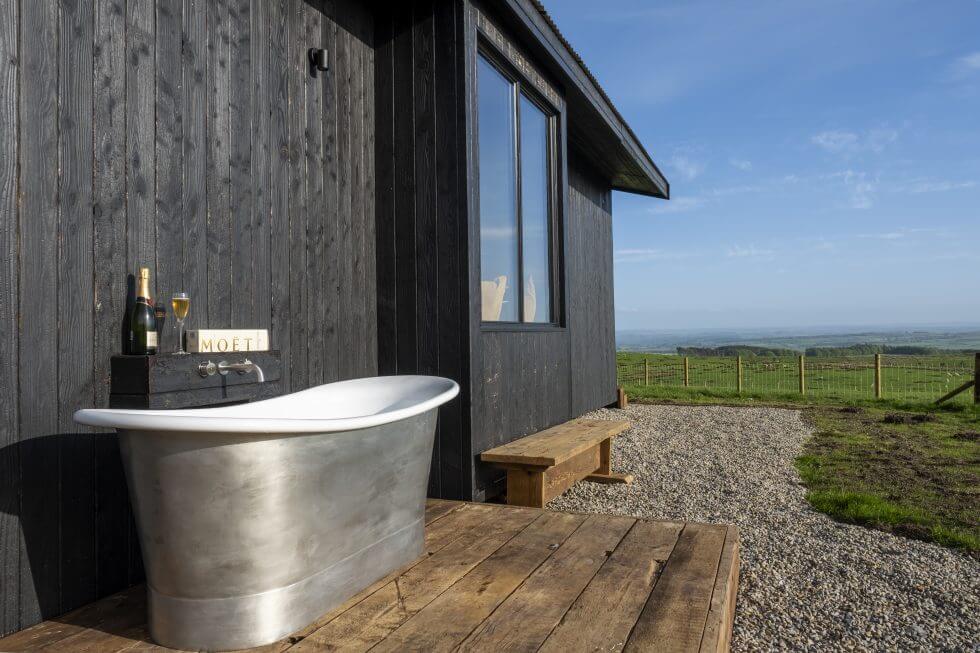
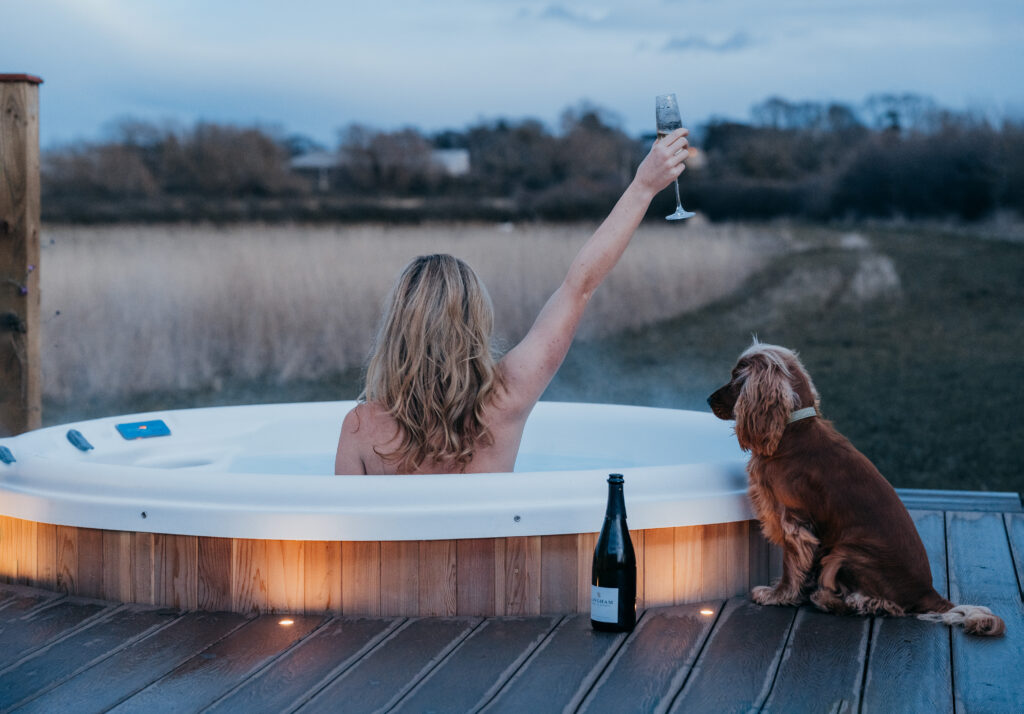
It’s often the smaller features that separate a cabin stay from a hotel room, rather than any single grand gesture. A private hot tub tucked outside your own door means an evening soak under the stars rather than a shared spa with a booking slot. A firepit or private terrace gives you somewhere to sit outside without needing to reserve a table or share it with strangers.

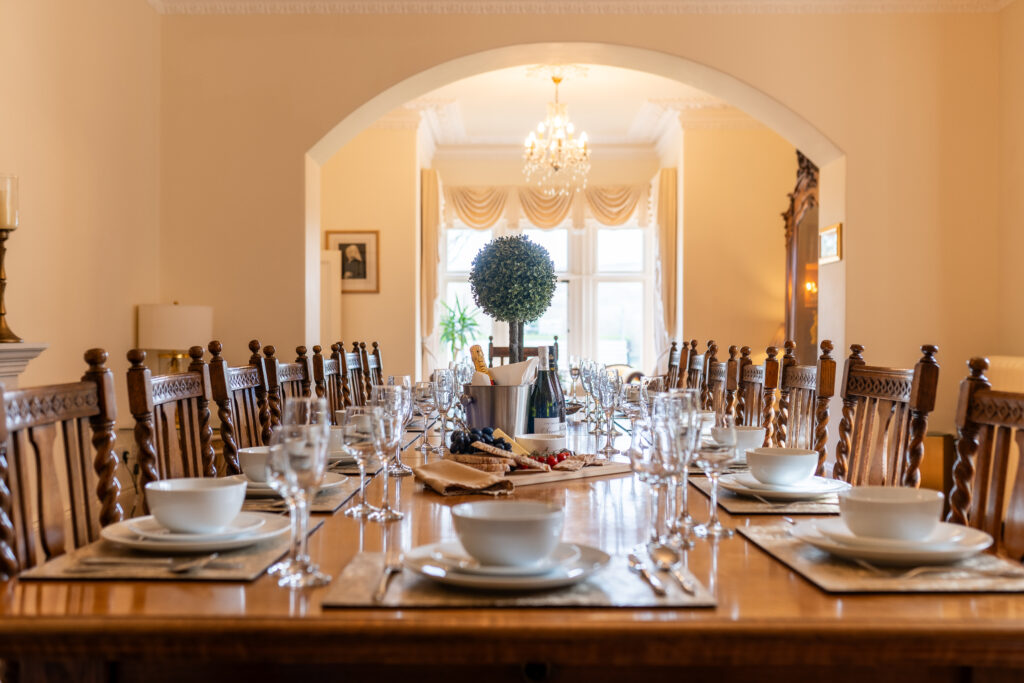
For families and groups travelling together, a cabin also solves a problem hotels rarely can: somewhere to actually gather. Rather than several separate rooms and a lobby to meet in, everyone shares one kitchen table, one living space, one set of evenings together. It’s part of what makes cabins increasingly popular for group getaways too, where the appeal is having a place that belongs to the group for the whole stay, rather than a cluster of individually booked rooms.

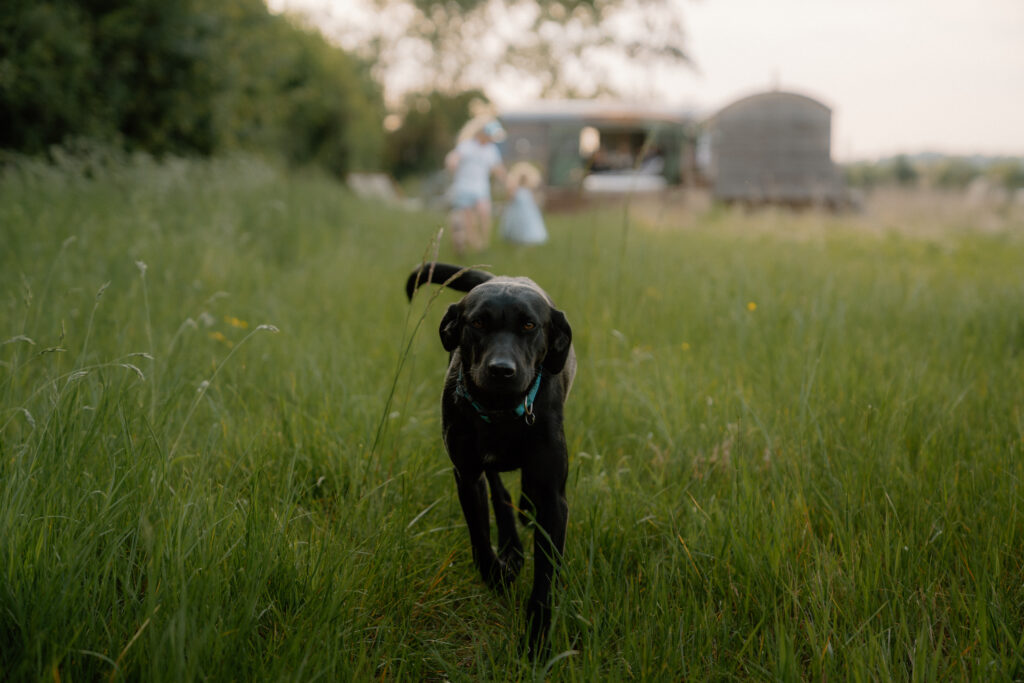
And for anyone travelling with a dog, the difference is even more obvious. Many dog-friendly cabin retreats come with their own outdoor space and doors straight onto the garden or woodland, removing the need to negotiate lifts, lobbies and other guests altogether.

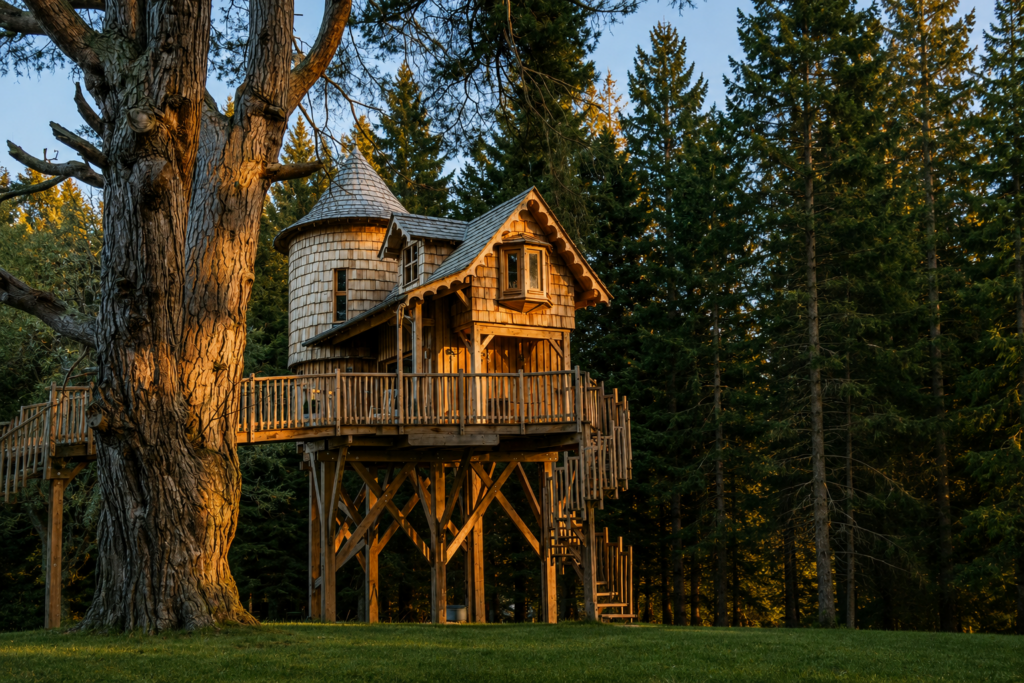
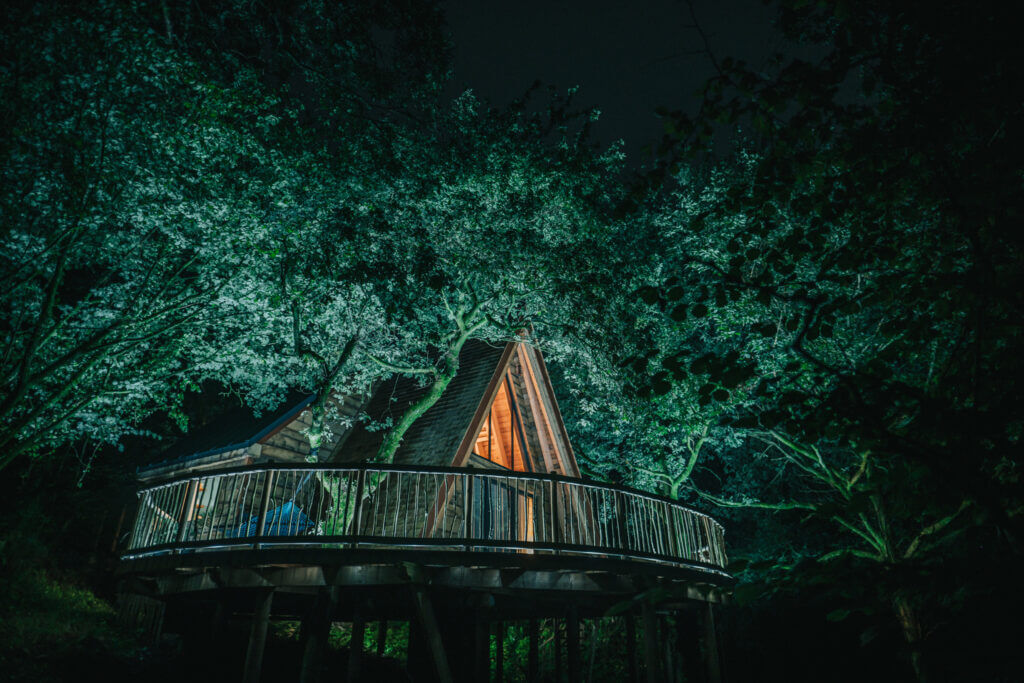
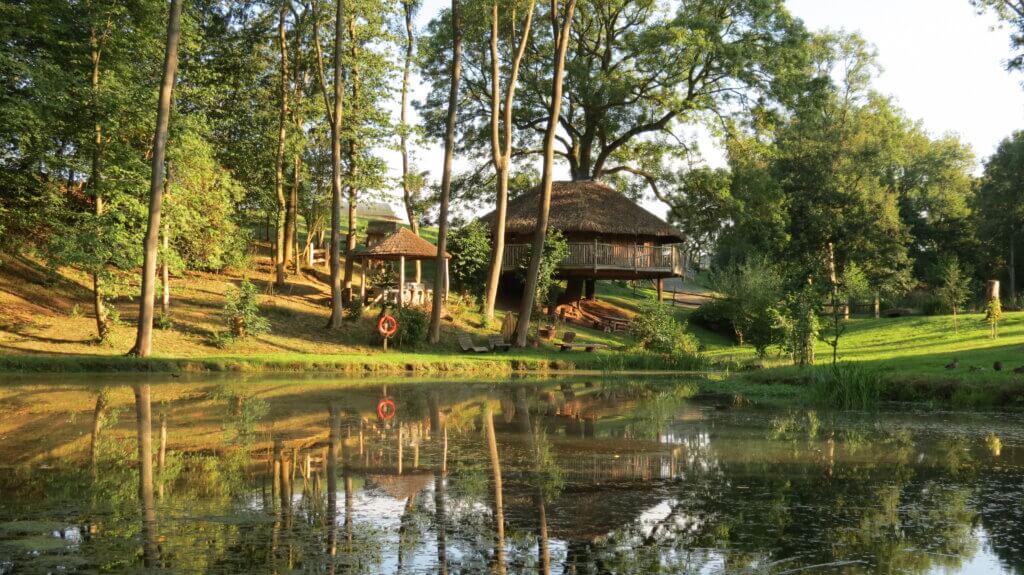
Increasingly, it’s also about how a cabin is built. Timber construction, wood-burning heat and a smaller footprint make many stays a natural fit for anyone drawn to sustainable retreats, while others tip further into the trees altogether for guests who want something a little more unusual, closer in spirit to our luxury treehouses.

Why More Holidaymakers Are Choosing Cabins

This isn’t just a personal preference, either. According to the Sykes Staycation Index 2025, bookings for lodges, cabins and similar self-catering stays were up 8% year-on-year in early 2025, as more travellers choose the flexibility of their own space over a traditional hotel room. It’s a trend worth noticing, and part of why a collection of luxury cabins and lodges is worth a browse before you settle on a more conventional break.

Choosing the Right Kind of Cabin Break

Cabins suit a wide range of trips precisely because the format is so flexible. For couples, a secluded cabin built for two can feel like one of the more effective romantic retreats around, offering privacy that a hotel room, however smart, simply can’t replicate. For anyone chasing a quieter pace of life for a few days, a cabin set within a wider rural retreat makes it easy to disappear into the surroundings, walk further, and notice more.

Locations plays its part too. Some travellers are drawn to the gentle, honey-stone landscape of the Cotswolds, others to the ancient woodland trails of the Forest of Dean, or the dramatic fells of the Lake District and the Peak District. For those who want fresh sea air alongside their woodland calm, cabins near the coast in Devon and Cornwall offer both in one trip. And for anyone short on time, a cabin within easy reach of London proves that switching off properly doesn’t have to mean a long journey to get there.

A Cabin for Every Season

One of the quieter reasons cabins work so well for switching off is that they don’t really have an off-season. A hotel break can feel like it belongs to summer, built around gardens, terraces and outdoor dining that only really come alive in good weather. A cabin doesn’t rely on the sun to earn its keep. In winter, it’s the log burner, the low light through the trees by mid-afternoon, and the particular pleasure of being properly warm while the weather outside does its worst. Spring brings longer walks and the first evenings spent outside again, often with a hot tub still steaming gently in the cold air. By summer, the same cabin opens right up — doors thrown back, dinner eaten outdoors, evenings that stretch on long after dark falls elsewhere. Autumn might be the best of all, with woodland turning colour just outside the window and the fire lit again for the first time since spring.

That range is part of the appeal. A cabin break booked in November looks and feels almost nothing like the same trip in July, which is exactly why so many guests find themselves returning to the same kind of stay at a different time of year, rather than needing a different destination altogether to feel like they’re doing something new.


Prospect House Farm Cabins in North Yorkshire

Cabins Worth Waking Up To

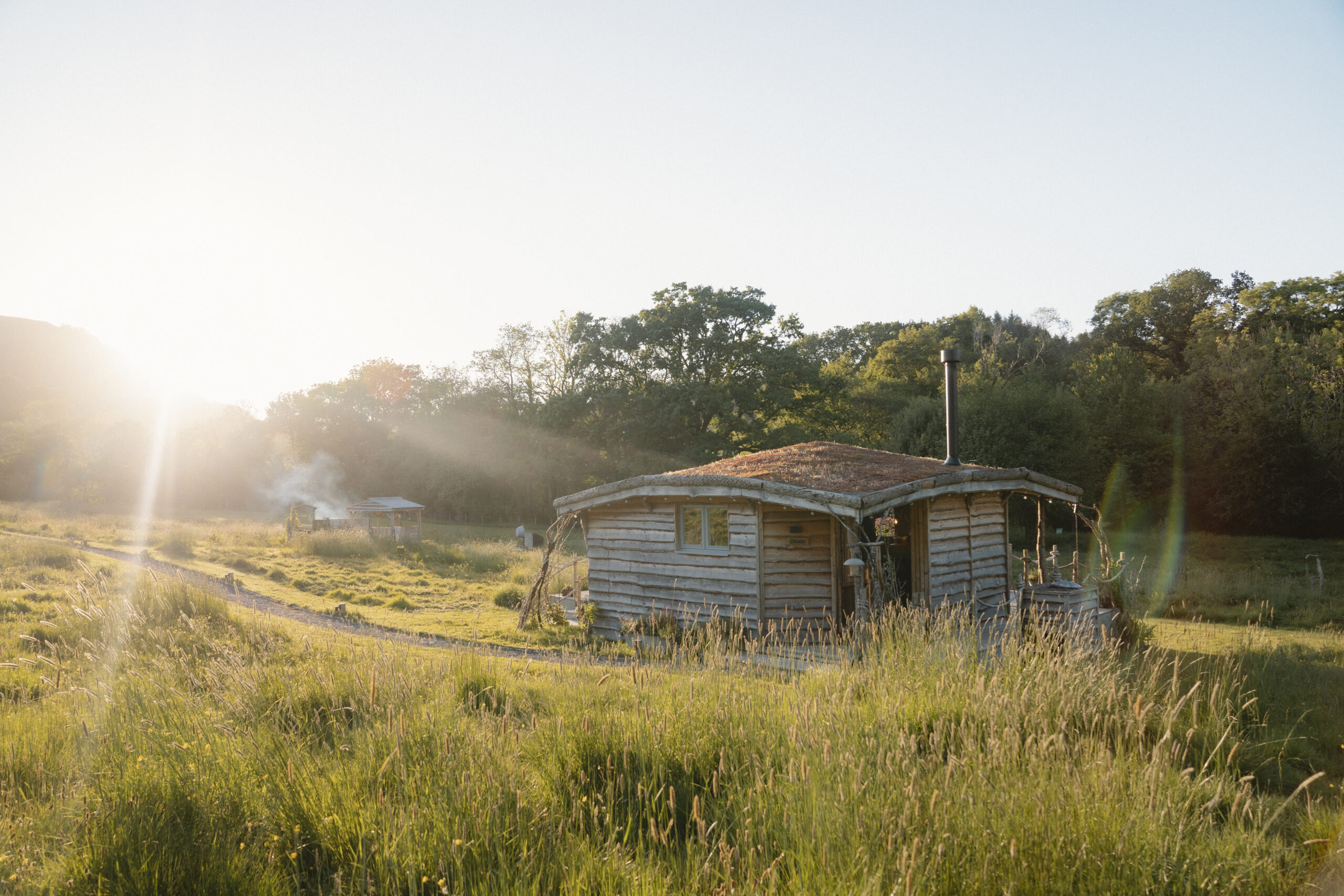
If you’re picturing your own version of this, a handful of current stays show how differently the format can work — from an off-grid meadow in Wales to a family-friendly beach cabin in Devon. Each links through to its own retreat page, with photography you’re welcome to use.

Erwain Escapes in Wales | Adults Only Retreats | Boutique Luxury Retreats
Erwain Escapes Romantic Retreats

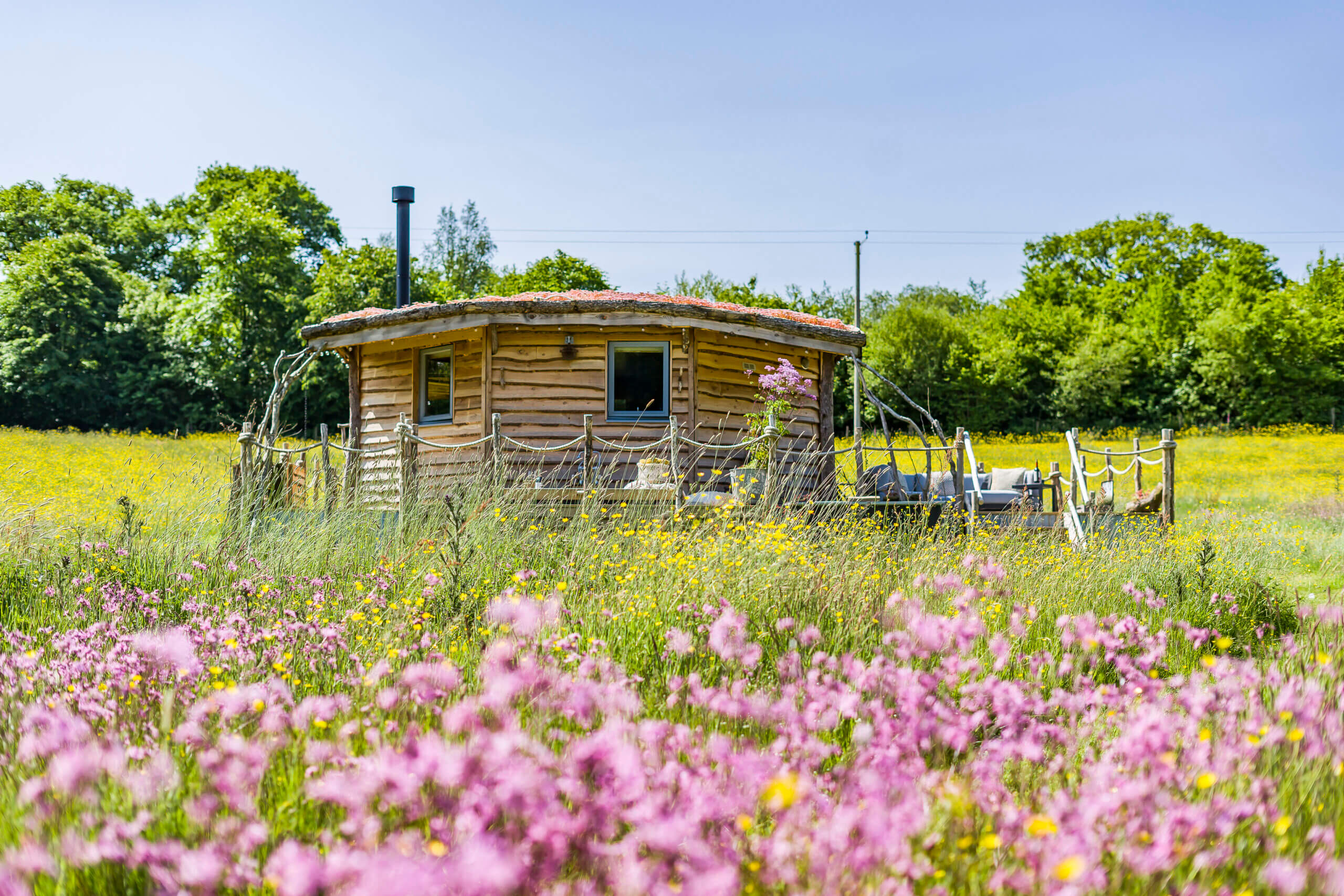
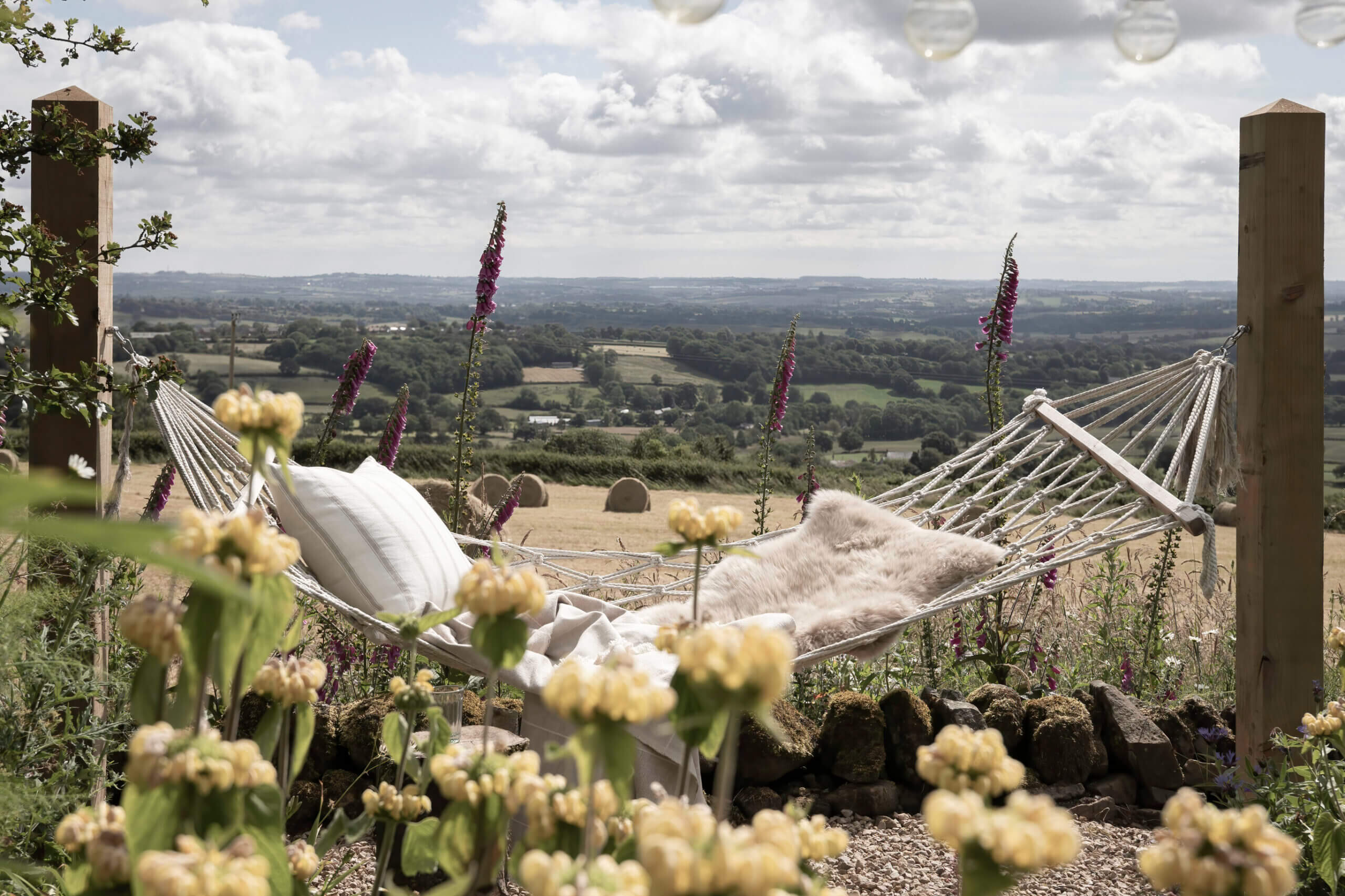
For couples wanting to properly disappear for a few days, Erwain Escapes sits alone in a wildflower meadow in rural Carmarthenshire, with no reception, no neighbours and famously little signal. A sunken outdoor bath, wood burner and riverside hammock set the pace, while the surrounding Dark Sky landscape means clear nights bring exceptional stargazing. A small, deliberately simple cabin built around one idea: slowing down completely.

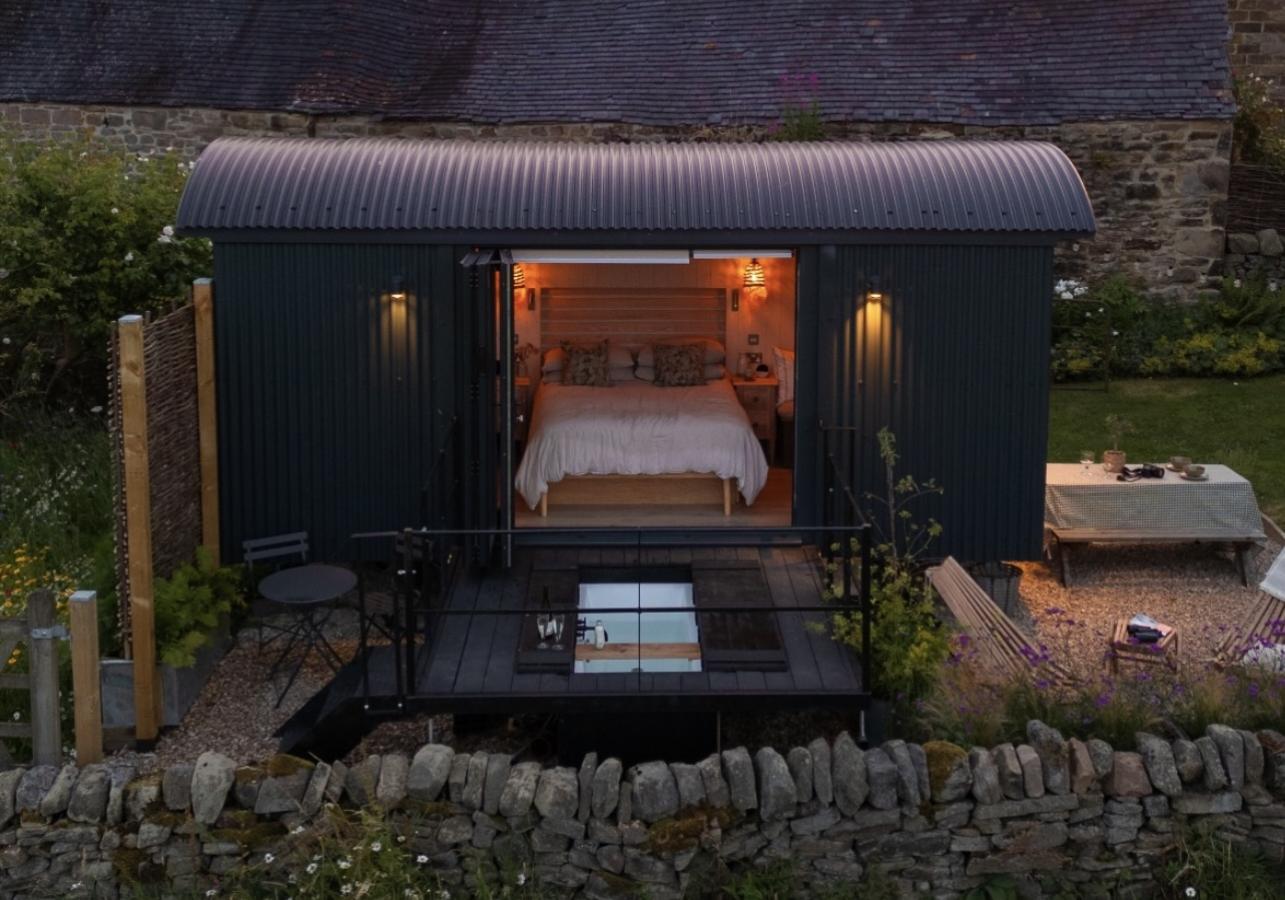
The Cabin at The Old Granary, Peak District – Sleeps 2

The Cabin at The Old Granary in the Peak District | Adults Only Retreats | Boutique Luxury Retreats
The Old Granary Cabin

Set in a wildflower meadow above the Amber Valley, The Cabin at The Old Granary pairs sweeping four-county views with a sunken outdoor bath and firepit right outside the door. Inside, a handcrafted kitchen and window seat make slow mornings easy, and one well-behaved dog is welcome to roam the surrounding countryside alongside you. A compact, romantic escape built for couples who want the Peak District on their doorstep.

Nuthatch Retreat, Forest of Dean – Sleeps 2-4

Nuthatch Retreat
Nuthatch Retreat

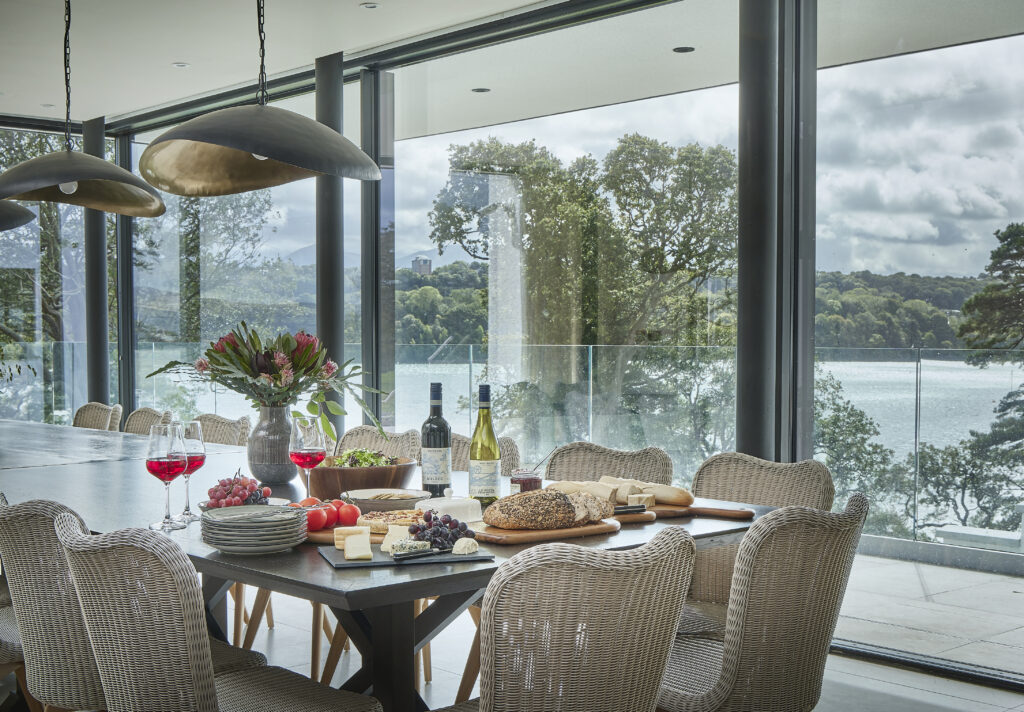
A single-storey eco lodge on a quiet hillside, Nuthatch Retreat looks straight out over ancient woodland through floor-to-ceiling glass. A deep Japanese soaking tub, firepit and fully accessible, step-free layout make it easy for anyone to settle in, while triple glazing, an air source heat pump and 100% renewable electricity keep the stay genuinely low-impact. The kind of cabin that rewards doing very little.

Croyde Beach Breaks, North Devon – Sleeps 2-6

Cabin 32
Saltwater Croyde Beach Breaks

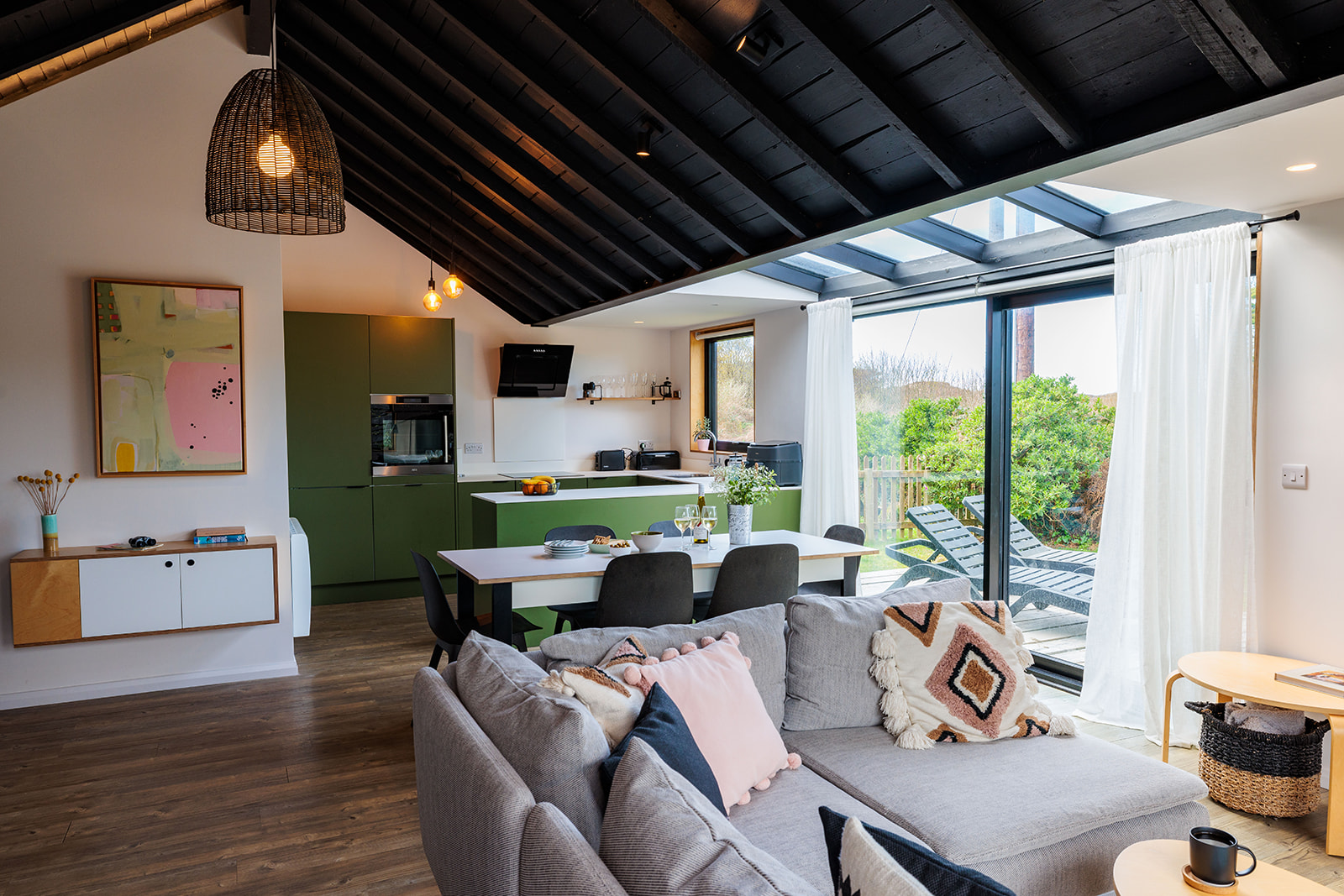
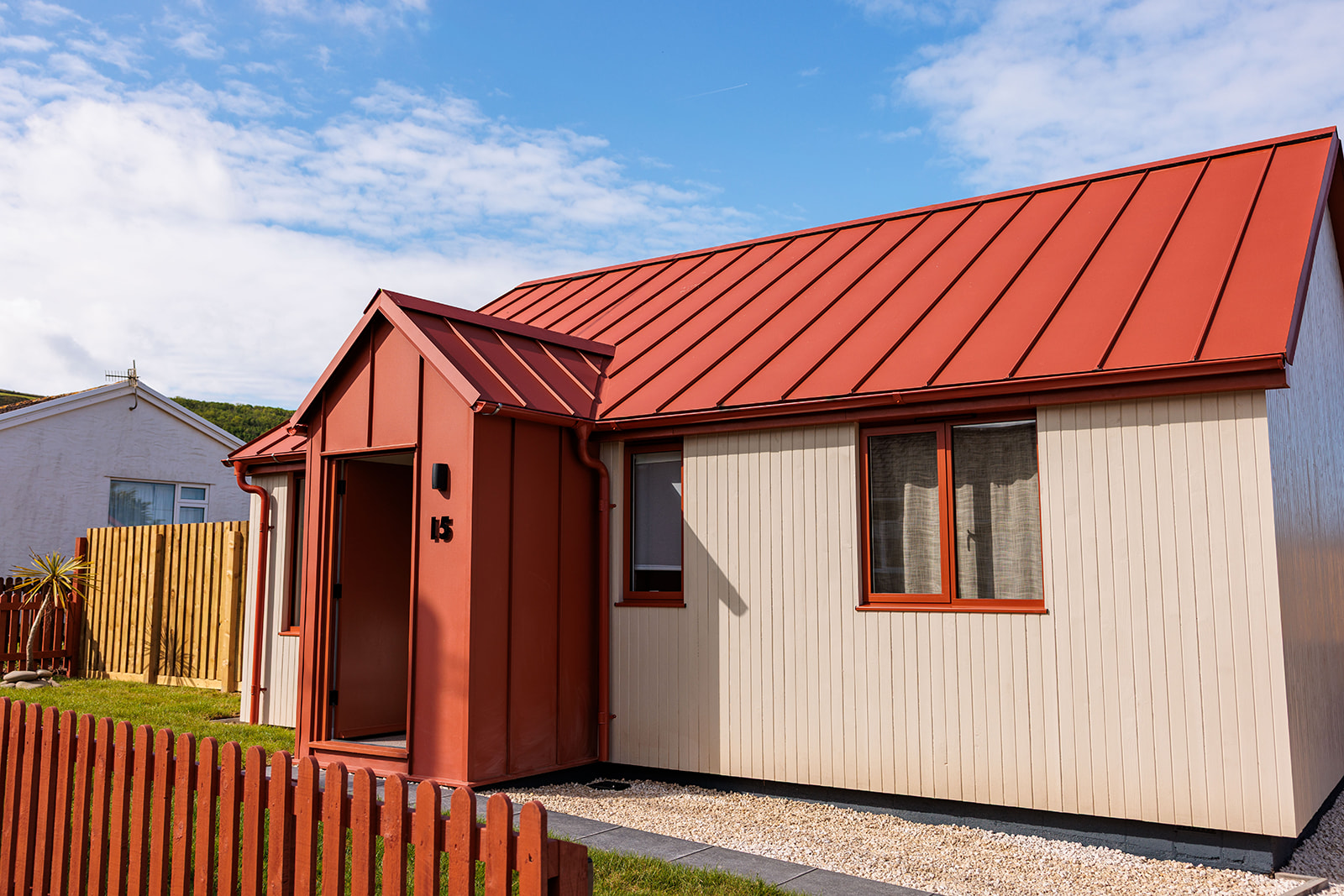
Hidden just behind the dunes at Croyde, Croyde Beach Breaks is a collection of four contemporary cabins that swap woodland for coastline, with private hot tubs or a sauna, secure gardens and outdoor showers for washing off sand and saltwater. Some welcome dogs, most suit families, and all sit close enough to the beach to leave the car behind entirely — a reminder that switching off doesn’t have to mean disappearing into a forest. 

The Fold, Herefordshire – Sleeps 2 per cabin

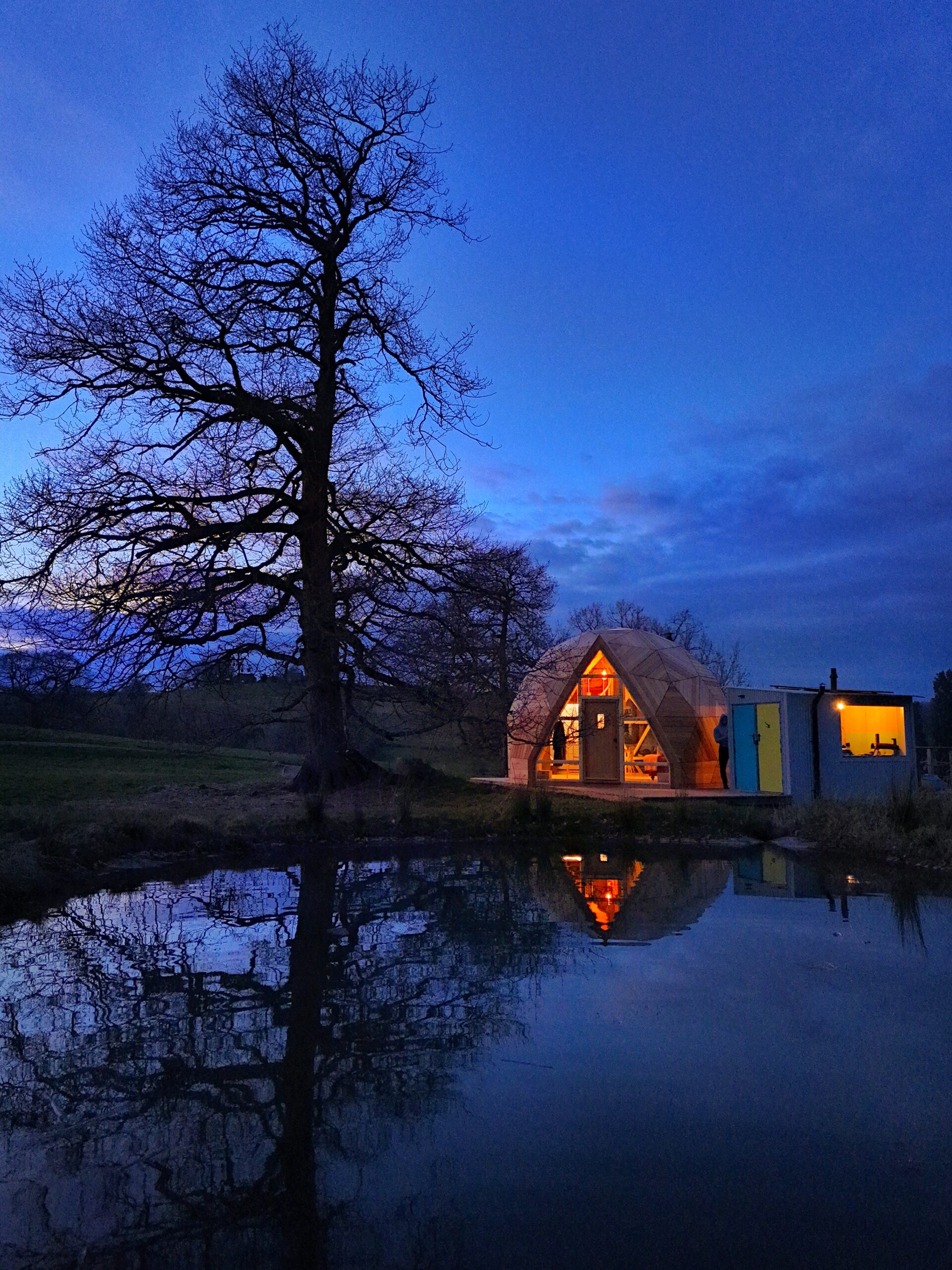
The Nova Dome at The Fold

Built by one family across 18 acres of rewilded countryside, The Fold, Herefordshire offers four off-grid cabins — a Scandi cabin, a treehouse, an A-frame and a dome — each running on solar power and spring water, with wood-fired hot tubs or outdoor baths looking over the valley. Spaced roughly 150 metres apart and tucked into the trees for privacy, they show how far a genuinely sustainable cabin stay can be taken without losing any comfort.

Frequently Asked Questions

Is a cabin holiday only really suited for summer?

Not at all. Most luxury cabins are built with autumn and winter breaks in mind just as much as summer ones. Log burners, underfloor heating and good insulation mean a cabin can feel just as inviting on a cold, clear January evening as it does in July — arguably more so, once the fire is lit and the outside world has gone quiet and dark early.

What’s the actual difference between a cabin and a lodge?

The terms overlap more than they differ. Generally, a cabin refers to a smaller, standalone structure, often timber-built and tucked into woodland or a hillside, while a lodge can be a little larger or more architecturally distinct. In practice, both share the same core appeal: private, self-contained space set within nature, away from the shared corridors and communal areas of a hotel.

Can I bring my dog on a cabin break?

Often, yes. Many cabins are designed with outdoor access built in, whether that’s a private garden, direct woodland access or simply a stable-style door leading straight outside. It’s worth checking each individual listing, but dog-friendly cabin stays are increasingly common precisely because owners understand how much easier a self-contained space makes travelling with a pet.

Is a luxury cabin break more expensive than a hotel stay?

Not necessarily. While nightly rates can look higher at first glance, a cabin is usually priced for the whole space rather than per person, per room. For couples, families or small groups, that often works out comparably to, or better than, booking multiple hotel rooms plus meals out, especially once self-catering is factored in.

How far in advance should I book a luxury cabin?

Because there are typically fewer cabins than standard hotel rooms in any one area, popular stays can book up quickly, particularly for weekends, school holidays and the Christmas period. Booking three to six months ahead is generally a safe window, though last-minute midweek availability does come up for those able to be flexible.

Time to Properly Switch Off

None of this means hotels don’t have their place. But if the goal of a break is genuinely to slow down, disconnect and come home properly rested, a cabin tends to do more of that work for you than a hotel room ever can. The privacy, the pace, and the surroundings all pull in the same direction, rather than asking you to create stillness for yourself in a space designed for efficiency.

This is simply why the format works so well. When you’re ready to see the properties themselves, that’s where our collection comes in.

Explore Boutique Luxury Retreats’ collection of luxury cabins and lodges in the UK, handpicked for the way they let you properly switch off.